
Quick Booking Links
- Flights & Accommodation: Expedia & Booking.com
- Local Tours: Get Your Guide & Viator
- Travel Insurance: Visitors Coverage
- Airport Transfers: Welcome Transfers
There are many reasons why North Macedonia’s capital is a hidden gem worth visiting, and it goes beyond the 200+ statues! Although there are a few of these that we have woven into our exciting 3 days in Skopje itinerary:
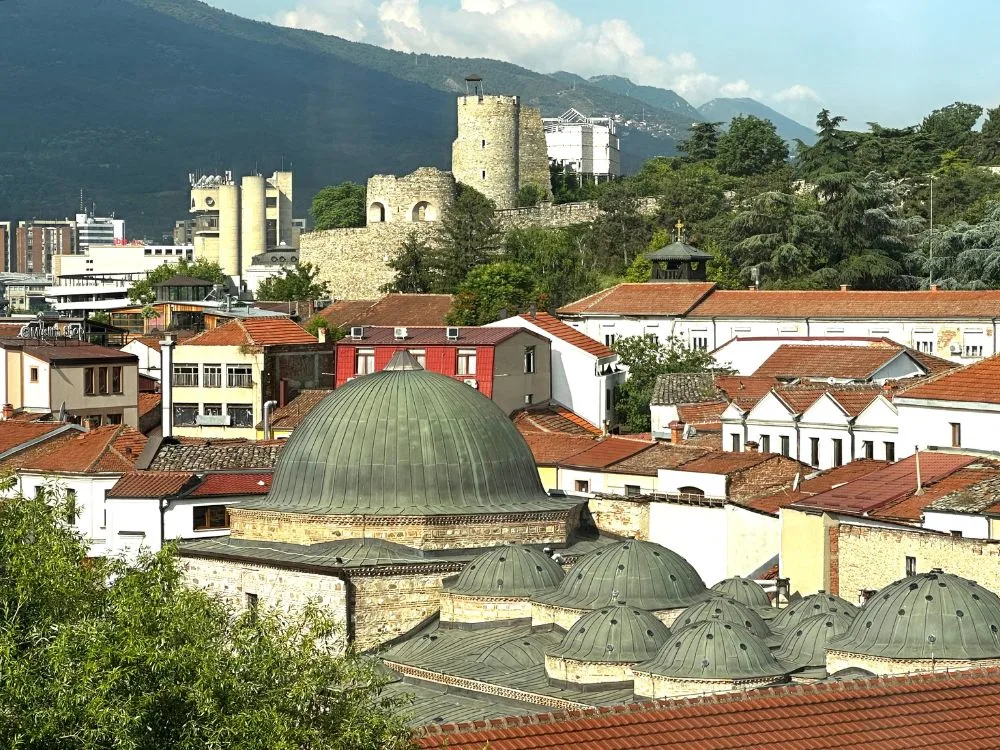
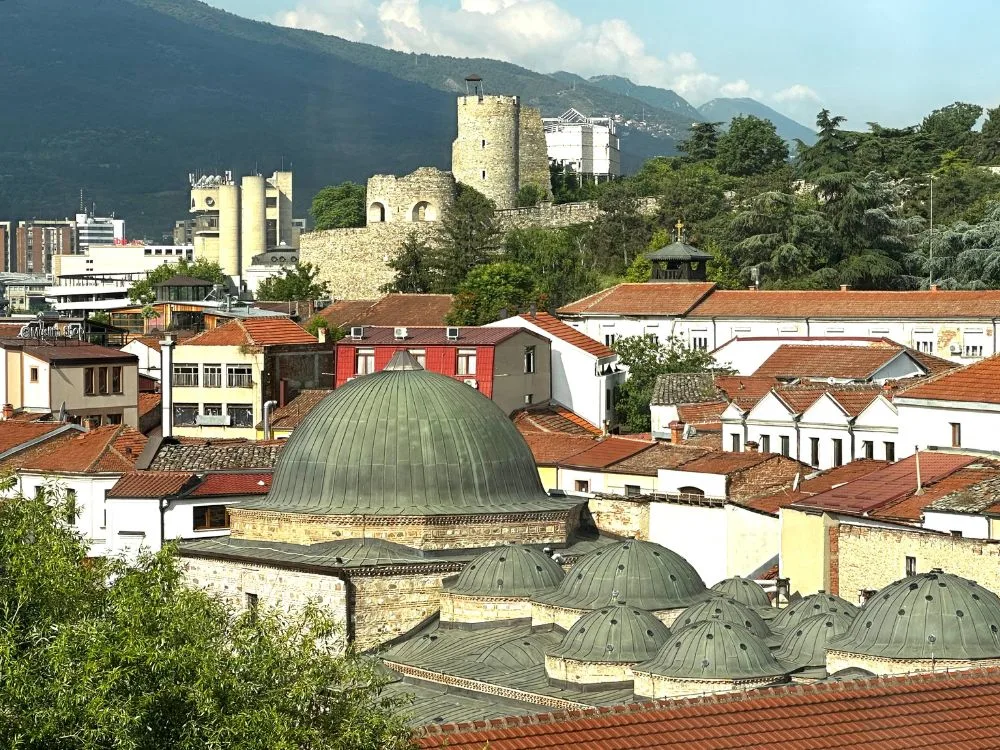
The rich cultural heritage dates back to the Roman Empire. Get lost in the Old Town and Old Bazaar. Discover treasured mazes of cobbled streets and alleys full galleries, mosques, shops, cafes and affordable restaurants.
We’ve travelled most of the Balkans and say with confidence that friendly, walkable Skopje is fascinating. It’s a city that doesn’t feel rushed; we felt a sense of relaxation rarely found in capital cities.
Skopje Itinerary Overview
Here’s our suggestions on how to plan your days to make the most of your time and enjoy the many things to do in Skopje.
1: Skopje
Morning – City Walking Tour.
Afternoon – Ottoman Bazaar.
Dine at a local restaurant in the Old Town.
2: Day Trip From Skopje
Morning – Matka Canyon – Boat ride, Hike and Cave Visit.
Afternoon – Explore Kale Fortress.
Dine in the neighbourhood of Debar Maalo.
3: Skopje
Morning – Cross Memorial
Afternoon – River Vardar, City Park, Mother Teresa Memorial.
Relax with a Rooftop Cocktail & Dinner in the Old Town.
Day 1 in Skopje
Morning: Join A Walking Tour
As in most cities we visit, we like to start any stay with a walking tour. Our guide, Dean with GuruWalks enthusiastically took a group of about 15 of us around the centre introducing key landmarks and sharing his local knowledge.
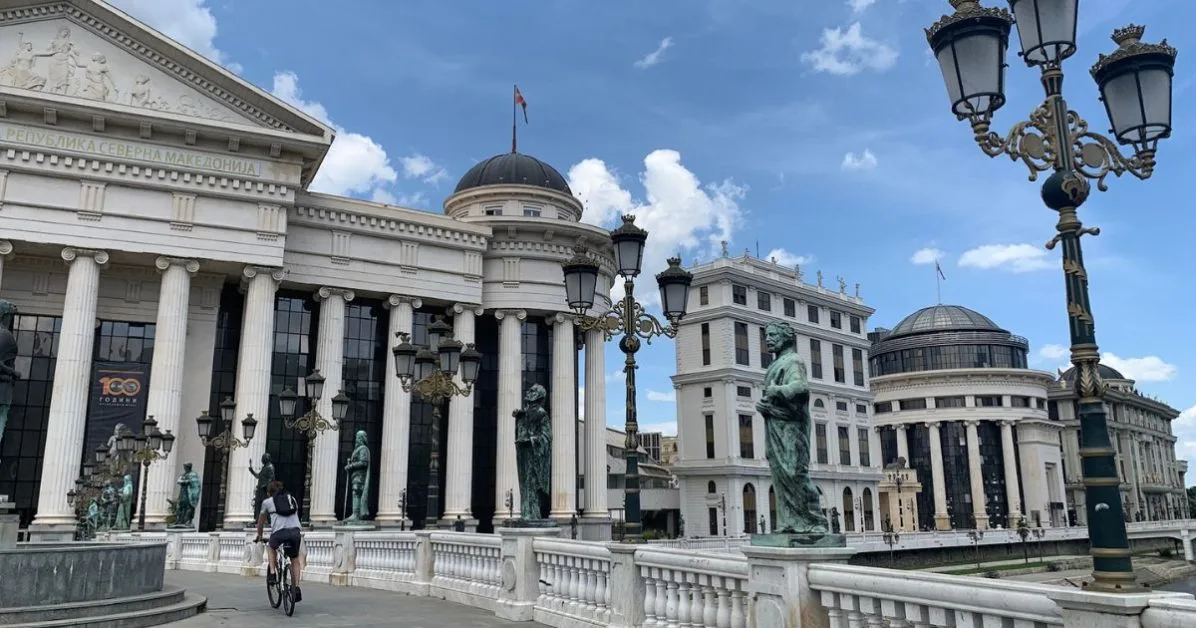
Starting at Macedonia Square, we visited the Mother Teresa Memorial House and Arc De Triumph looking Macedonian City Gate.
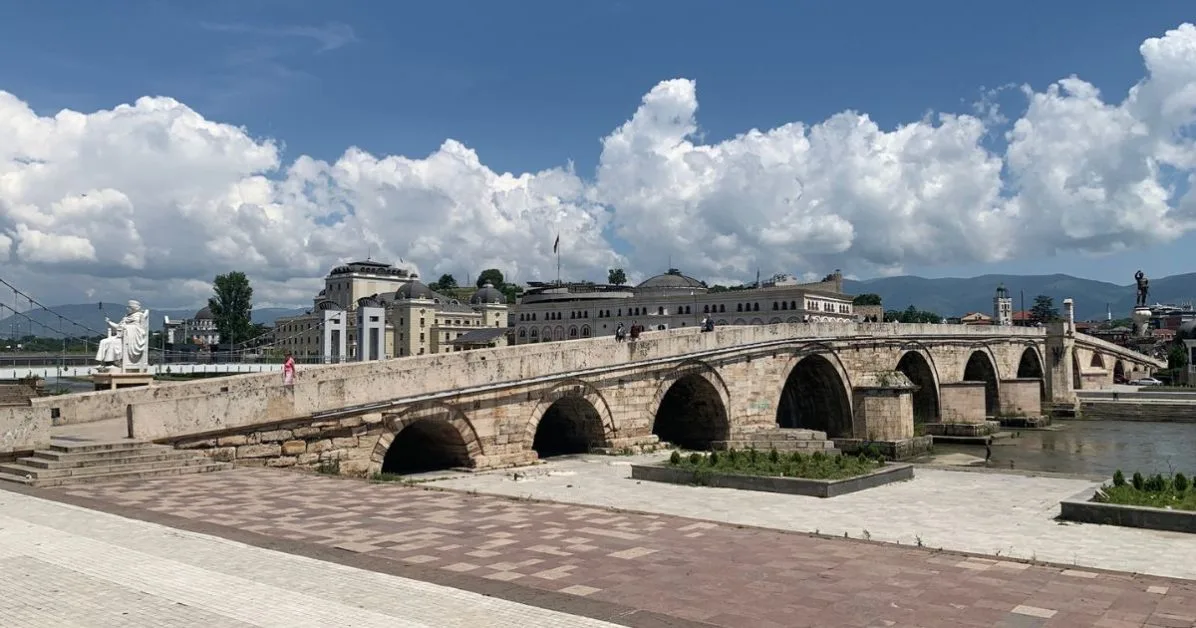
Continuing over the picturesque ancient Stone Bridge, we discovered alleyways and shops of the Old Ottoman Bazaar.
Throughout, he shared thoughtful perspectives about the history of the city and what it was like to live in Skopje now.
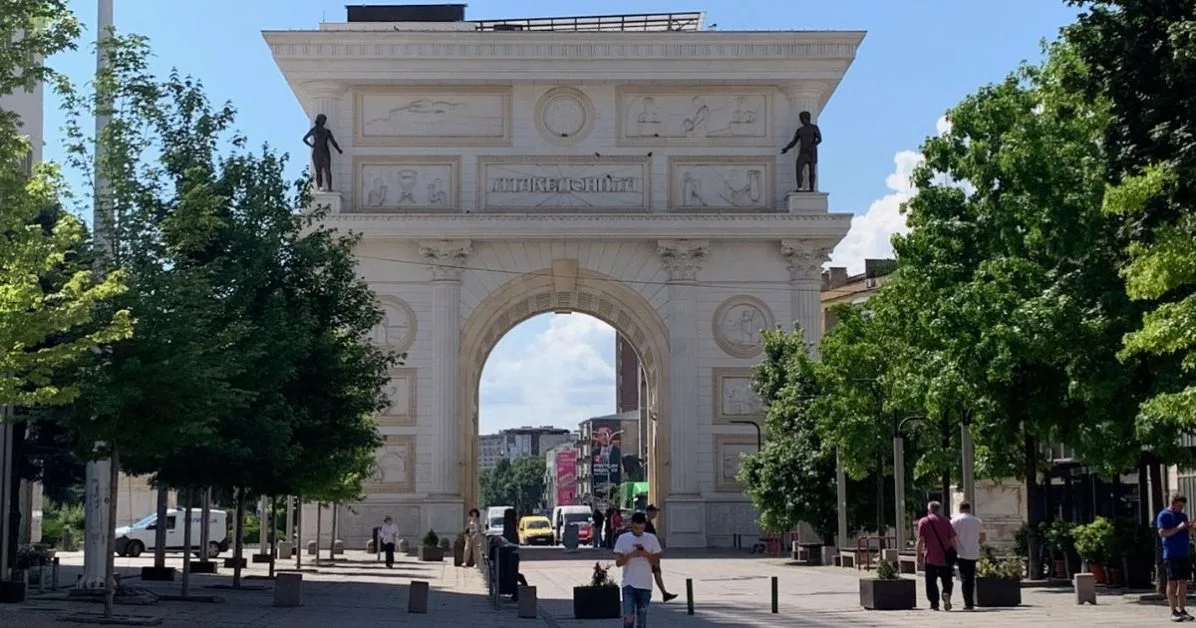
We came away with lots of ideas on how to spend the rest of our time in the city including tips for using buses, booking taxis and restaurants.
🔍 Click Here to Book Skopje Walking Tour
Afternoon: Explore The Ottoman Bazaar
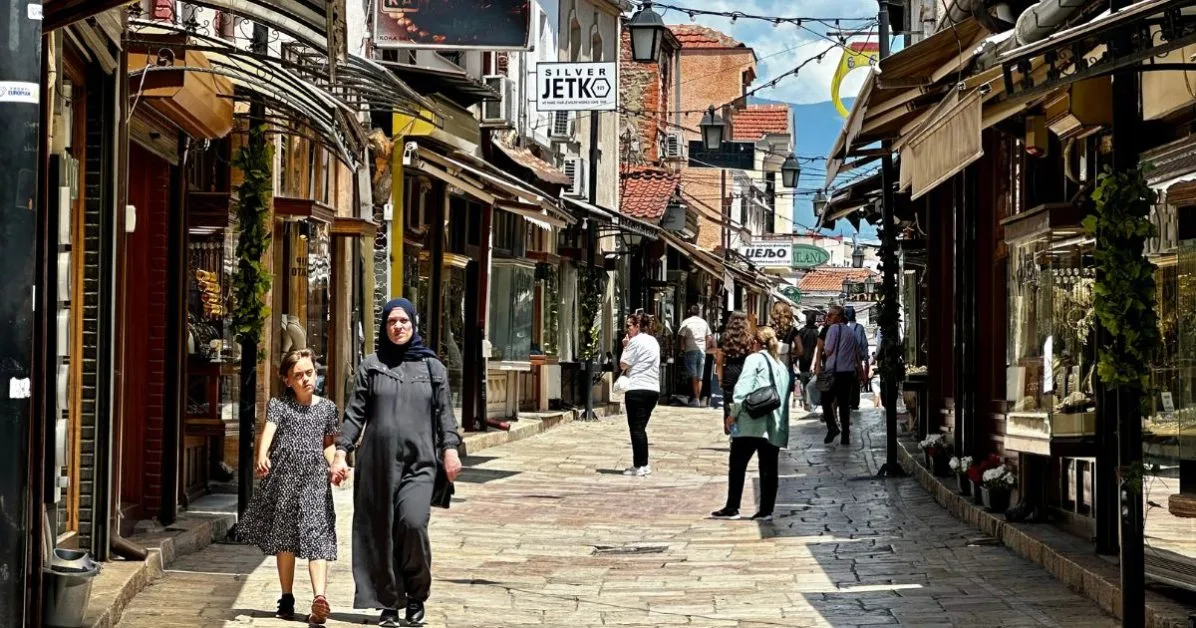
You could easily spend three days just exploring the Bazaar section of Skopje’s Old Town.
Pottering around here is unsurprisingly one of the most popular things for visitors to do. It’s been the core of Skopje life for centuries, evident from the Ottoman architecture.
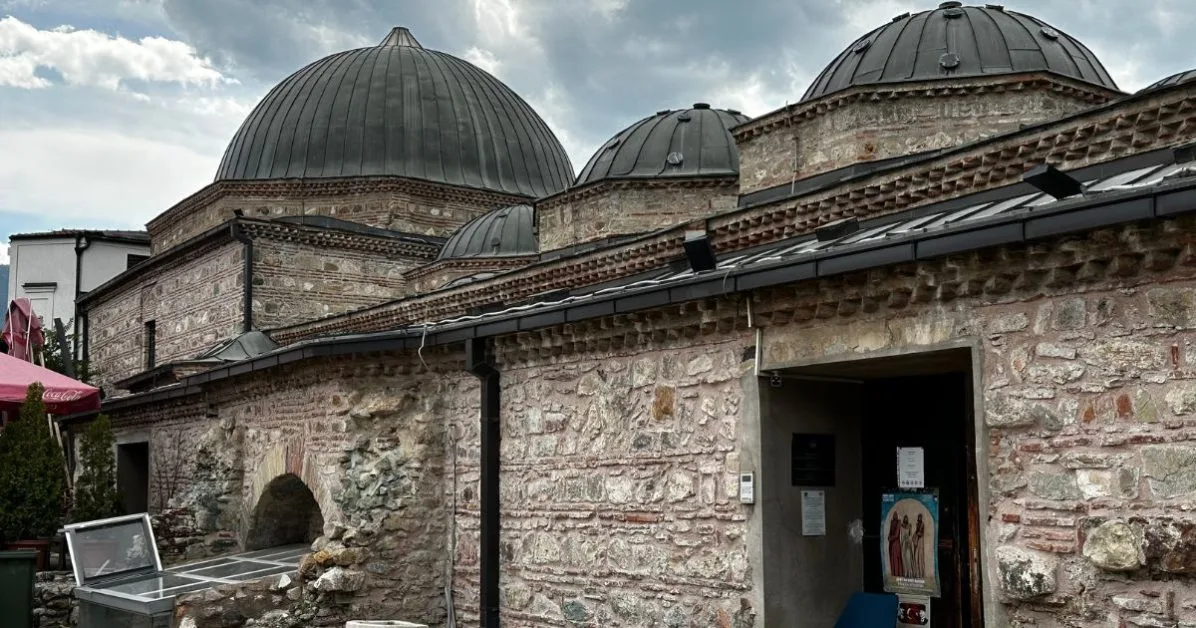
Additionally in old town Skopje, you’ll discover mosques, national museums, 15th century Cifte hammam baths and cobbled alleyways with countless shops.
We loved this part of the city. It’s a huge contrast to the modern buildings on the other side of Stone Bridge and Macedonian Square.
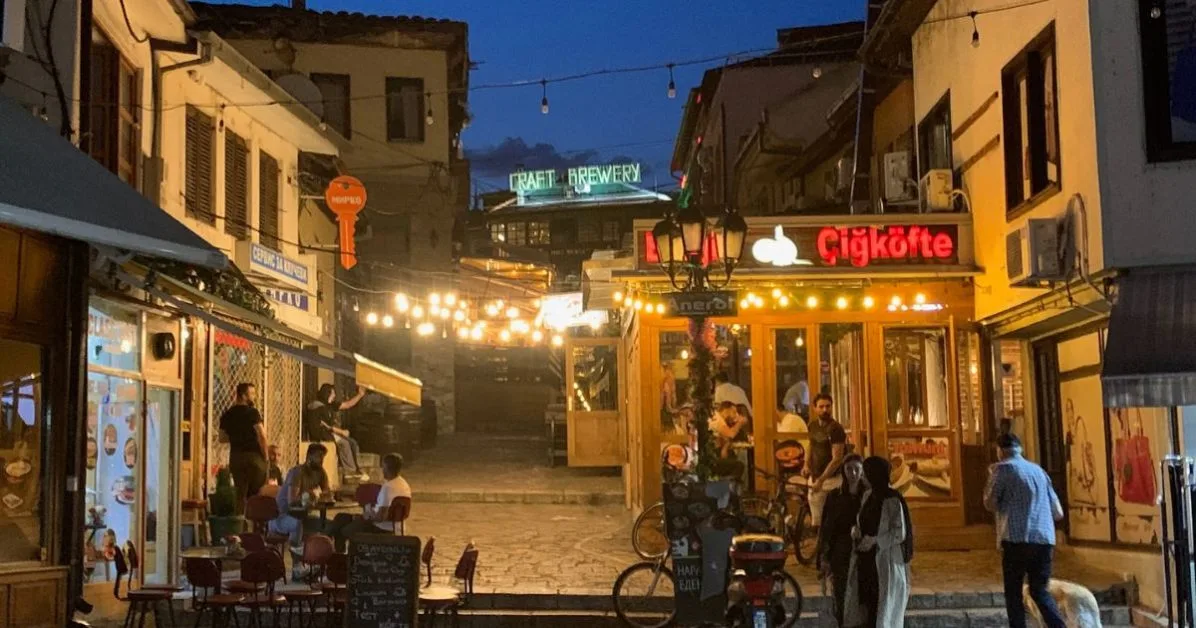
Being in the Bazaar is like going back in time and even if you’re not a shopper, you can sit and have coffee, a drink or a meal and people watch! This is where we ate on two of our evenings.
Shop For Fruits, Nuts and Spices at Bit Pazar
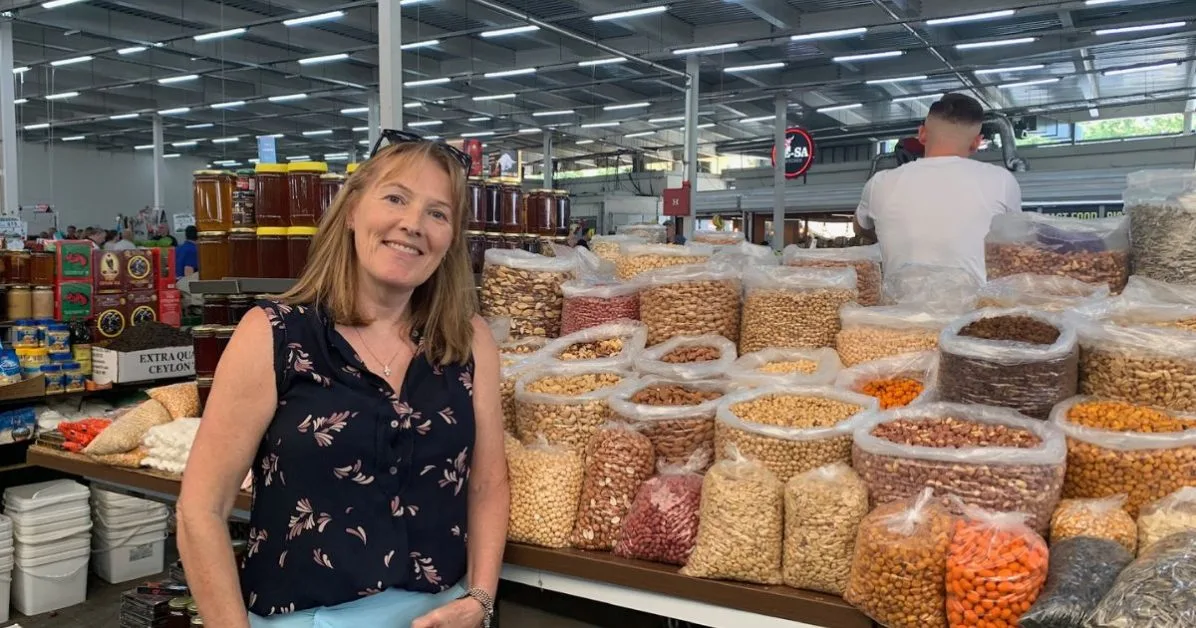
Located at far end of the old town that runs from the Stone Bridge browse the delights of Bit Pazar. Skopje’s ‘green’ market opens daily at 8am. The site has been a trading spot for centuries.
Where to eat:
For casual drinks and dining in a side street decorated with upside down hanging umbrellas you will find the unpretentious Brendas Restaurant.
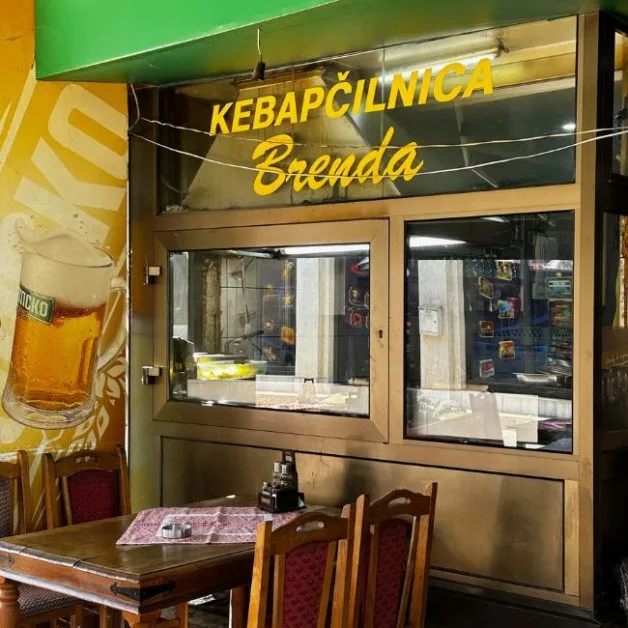
Nearby is the larger and equally welcoming Gostilnica Turist Restaurant with canopy shaded areas which are especially welcome in the heat of the day.
Day 2: Matka Canyon Trip
Morning: Trip to Matka Canyon
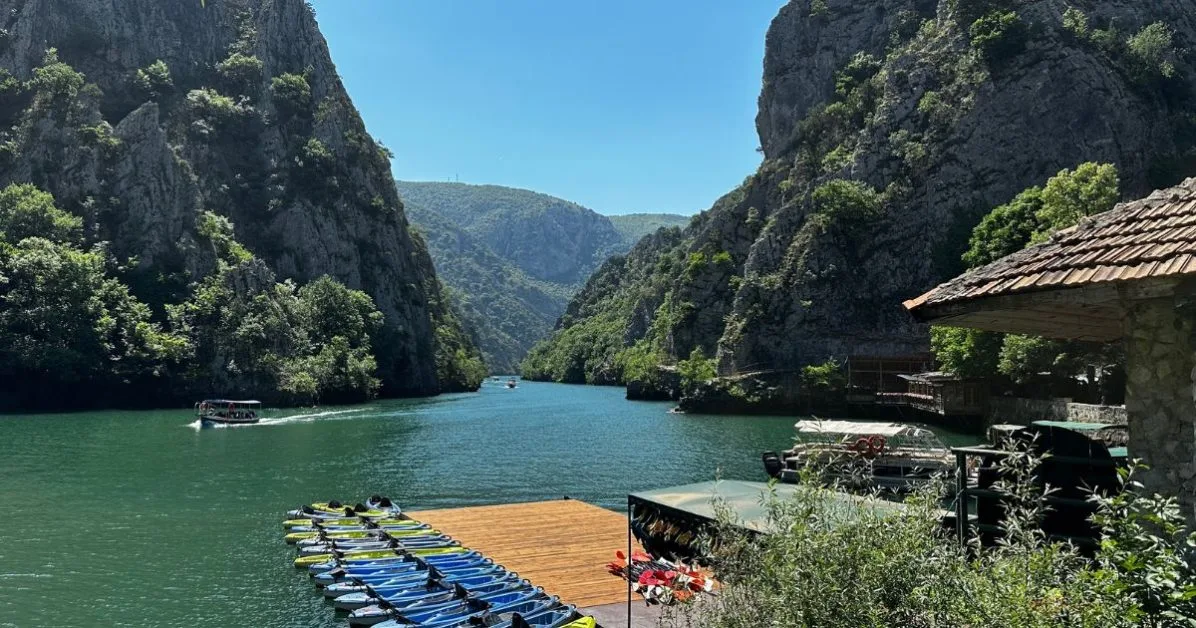
About a 30 minute drive from the city (15km) , you will arrive at the spectacular Matka Canyon.
Covering an area of around 5,000 hectares (50 sq. km), this is one of the most popular outdoor destinations in North Macedonia. This outdoor paradise offers lots to do from rock climbing, kayaking; hiking, cave exploration to leisurely boat rides and swimming.
🔍 Click Here to Book Matka Canyon Full Day Tour
Catch a bus here from the central bus station or use bus #60 from the city. To use a public bus, buy a day (24 hour) bus card around $2 (use local currency).
You can buy this on the bus at official kiosk located at the main bus terminal.
🎒Our Tip: We came by taxi, driven by the very helpful driver Nedin. We booked Nedin via Brenda’s restaurant but you can contact him direct via Whatsapp on +389 71774236.
Things to Do at Matka Canyon
There is no entrance fee at the Canyon so if you just want to marvel at the views and walk around, it’s free. On arrival, follow the easy path (around 10 mins walk) to the start of the canyon hike trail and boat rides.
Go past the first boat stop unless you want to kayak. Walk a little further on and you will come to a second spot. This is where you can book a boat ride along the canyon.
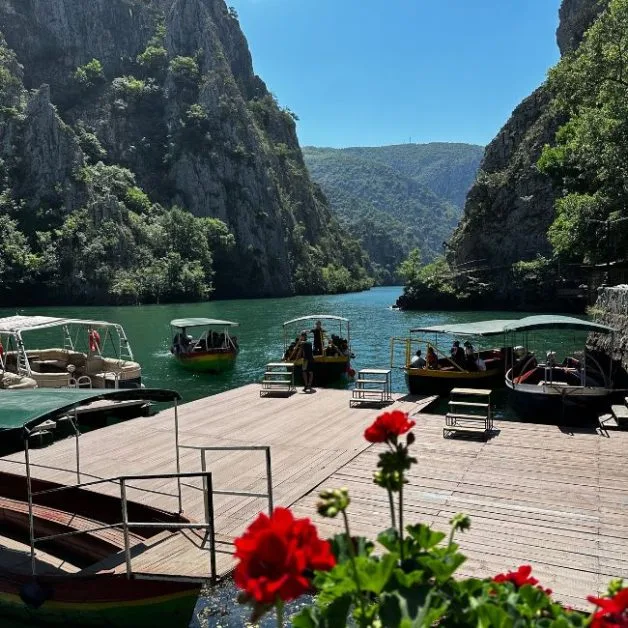
Boat trips of an hour cost 500 MKD/ $7 and include a stop to explore Vrelo Cave. If you are short of time, there is an option to choose a 30 minute ride just on the lake.
If hiking is your thing, the full hike to the end of the canyon is around 10km so you’ll need to allow quite a few hours to get there and back.
We chose to take the boat trip where we could go inside this cave. The guide, who was also our driver, directed us around the cave area.
We saw incredible stalactites, stalagmites and huge underground caverns. It was well lit up and there is a walkway around but it is a little uneven in places so watch your step.
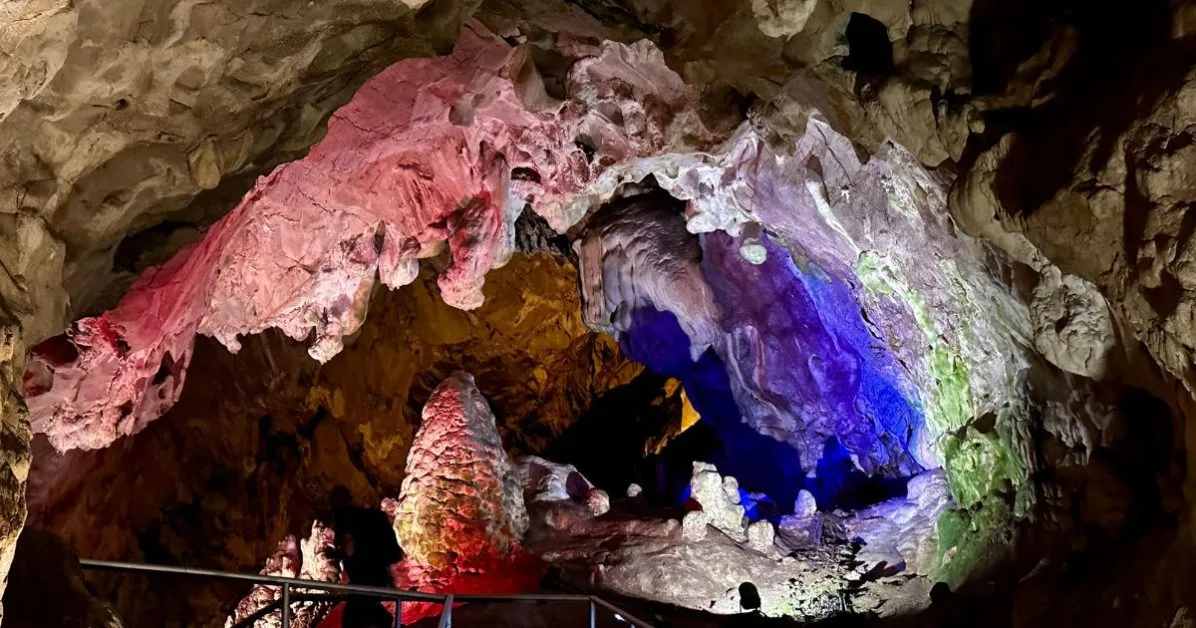
Scuba divers have explored the cave and didn’t see the bottom. It is reported to be over 200 meters deep!
Back on dry land, enjoy some refreshments at the waterside restaurant and soak up the wonderful views. There is one hotel here – The Matka Caynon Hotel & Restaurant. If you have time on your itinerary for an extra night, this is a beautiful spot to stay.
🎒Our Tip: Matka Canyon gets very busy at weekends. Visit during the week if you ca, or at weekends, go in the morning.
Afternoon: Climb Up for Views From Kale Fortress
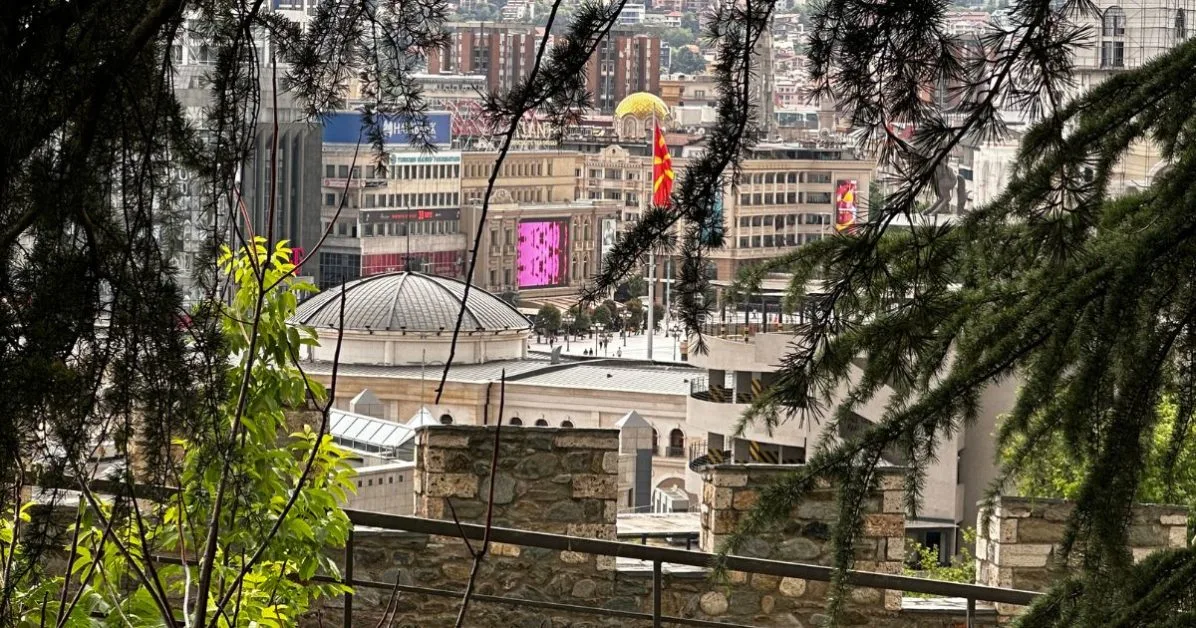
Free. Built in the 6th century, Kale Fortress, also known as Skopje Fortress is right in the centre of the city.
Wherever you are in town, whether the Bazaar or Macedonian Square, you’ll see it as it’s the highest point of the city.
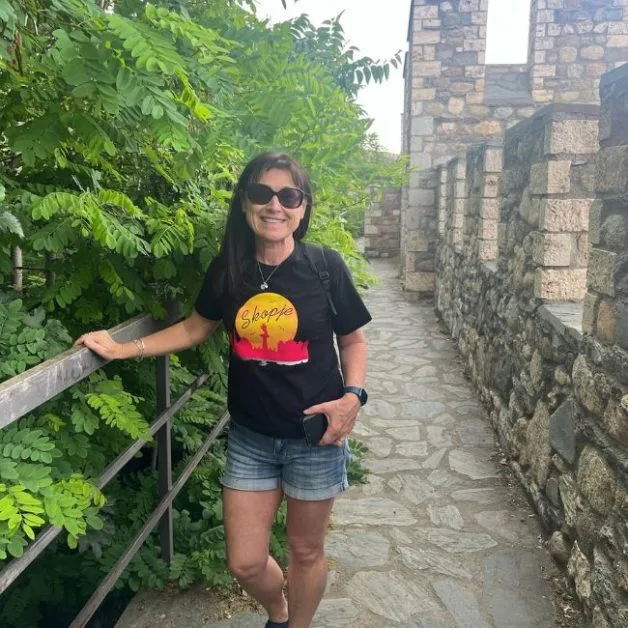
It’s about a 15 minute walk from the Old Bazaar but getting to the entrance is easy as Skopje has lots of tourist signposts. Just look out for them to guide you. It’s free to enter but note there is only one way in and out.
Within its walls, visitors can explore remnants of ancient buildings, defensive structures, and archaeological sites, including the remains of a church and a mosque. There is a clear gravel type path you can follow around to the wall.
Some signs are dotted around to tell you more about the history of the fort. Panoramic views are wonderful and on a sunny day consider coming up at sunset to capture that perfect photograph.
Day 3 In Skopje
Morning: Take A Cable Car Up To Millennium Cross
Over 200 feet/66m tall sat atop of Mount Vodno, this steel cross is symbolic to Skopje.
Built in 2008 to celebrate 2000 years of Christianity in North Macedonia, you can walk up (it takes 1-1/2 hours) or take a cable car to the summit.
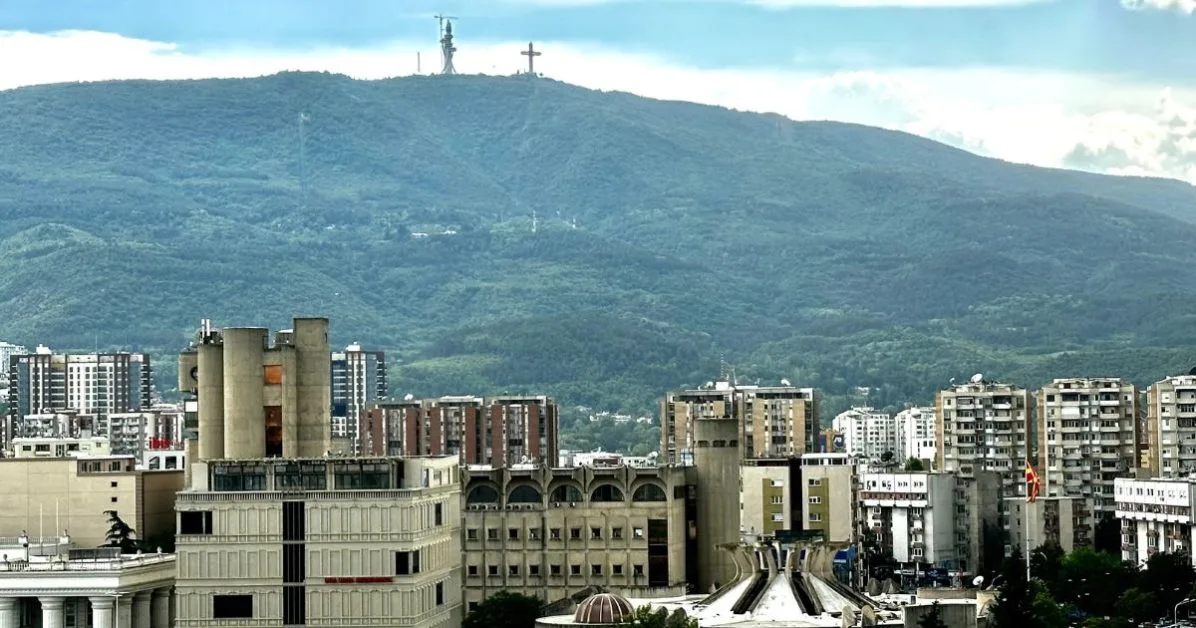
Book this stop as part of a full day tour to Matka Caynon on Day 2 if you want a fuller day out of town.
Alternatively catch a local bus (#25) to Middle Vodno which will cost you less than $1. Your hotel can give you directions to the nearest stop.
Visit Mother Teresa Memorial House
Free Entrance. Until we visited Skopje, we didn’t appreciate that Mother Teresa was born here. Her Memorial House, in the city centre, is located on Macedonia Street and is a museum dedicated to her life and work.
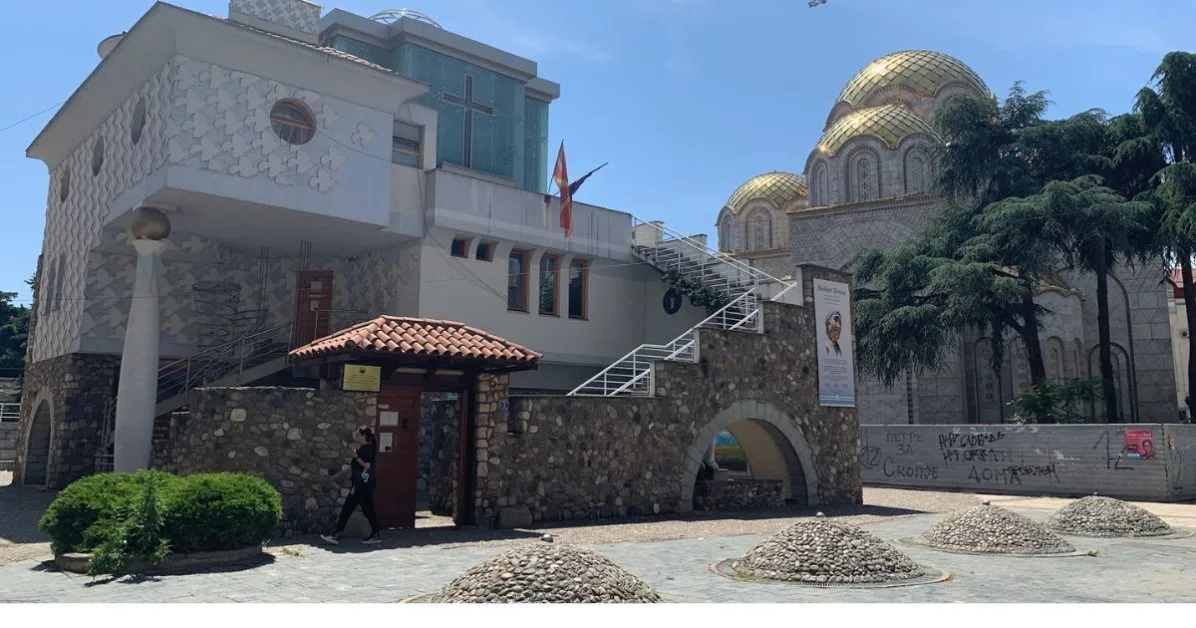
Exhibits showcase personal items, photographs, and memorabilia from Mother Teresa’s life. They offer visitors an insight into her dedication to the underserved and sick and her global impact on humanitarianism. Awarded the Nobel Peace Prize laureate in 1979, the museum is situated near the church where Mother Teresa was baptised.
Explore Macedonian Square and Its Statues
Why are there so many statues and new massive buildings around Macedonian Square? Well, back in 1963 the city was totally ruined by a massive earthquake. Project 2014 was conceived of to help to reconstruct and a Japanese architect was selected to lead the design work. However not all his plan was followed as intended and the result is a mind boggling mix of modernist and brutalist woven into contemporary buildings.
What’s also fascinating as you walk around is the scale and ambition in these structures. If you have kids with you, play a game to count the lions – they are everywhere along with massive monuments!
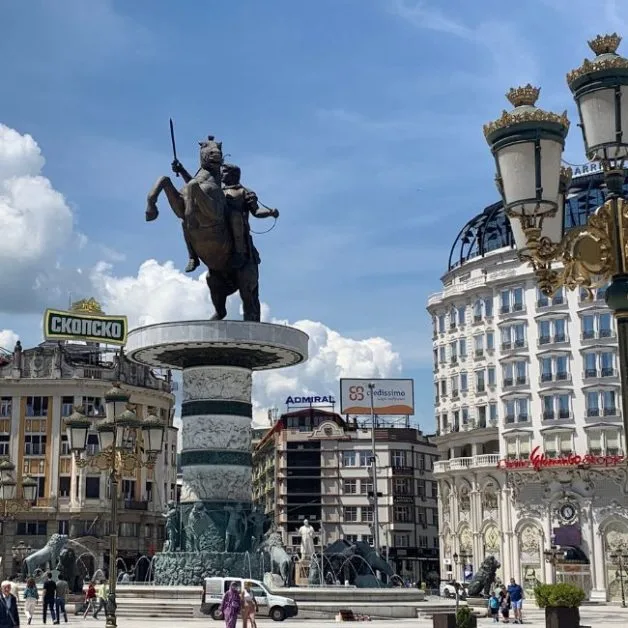
The most iconic statue is the one of Alexander the Great in the middle of Macedonia square. It’s huge and will definitly catch your attention. Almost opposite, looking towards the Old Town are statues of the mother of Alexander and his father King Philip II.
Now in 2024, they are still building. Locals we chatted with have mixed views of how their money is being spent. One view is that this is creating ‘a city of interest’; others feel that this adds little to their day to day quality of life. Personally we loved this eclectic style of the city and how old and new mix together as you walk around.
Picnic In Skopje City Park
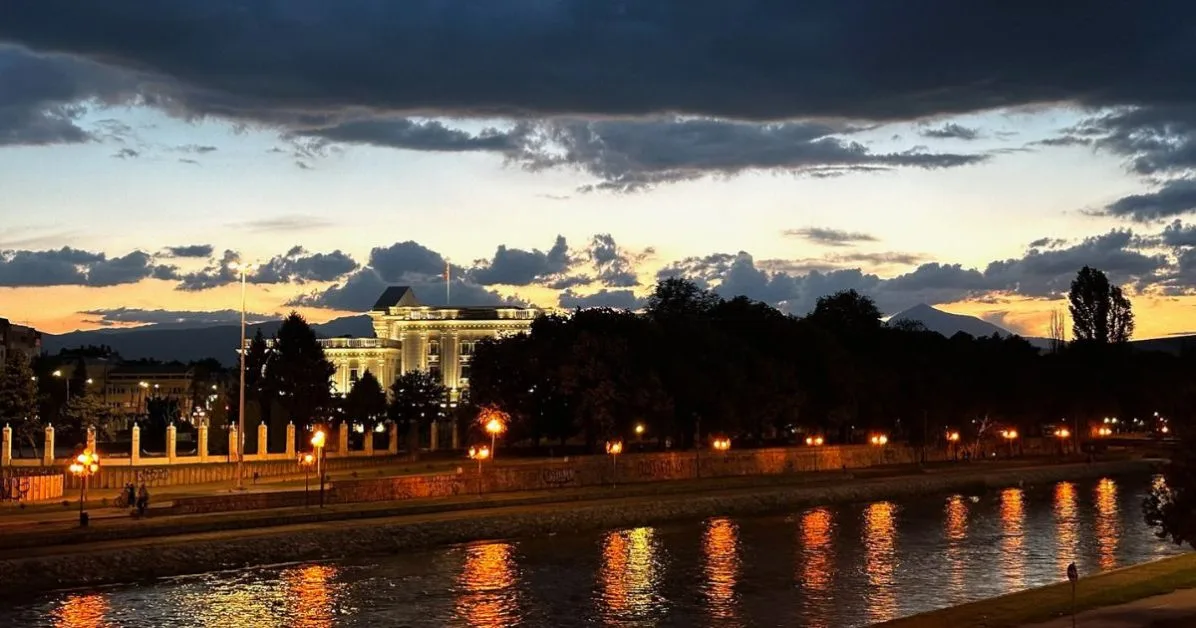
When you need a break from sightseeing in the city center, why not take a walk from the city center along the River Vardar promenade. It’s around a 15 minute walk to Gradski (as it’s known locally) or Skopje City Park. You may see events and festivals here during the year and many families enjoy this open space at weekends and summer evenings.
You will see 3 pirate boats anchored on the river side in Skopje, one of which is a hotel/restaurant. No-one we met had a clue why they were brought here, especially given two of the trio are in pretty bad shape 🙂
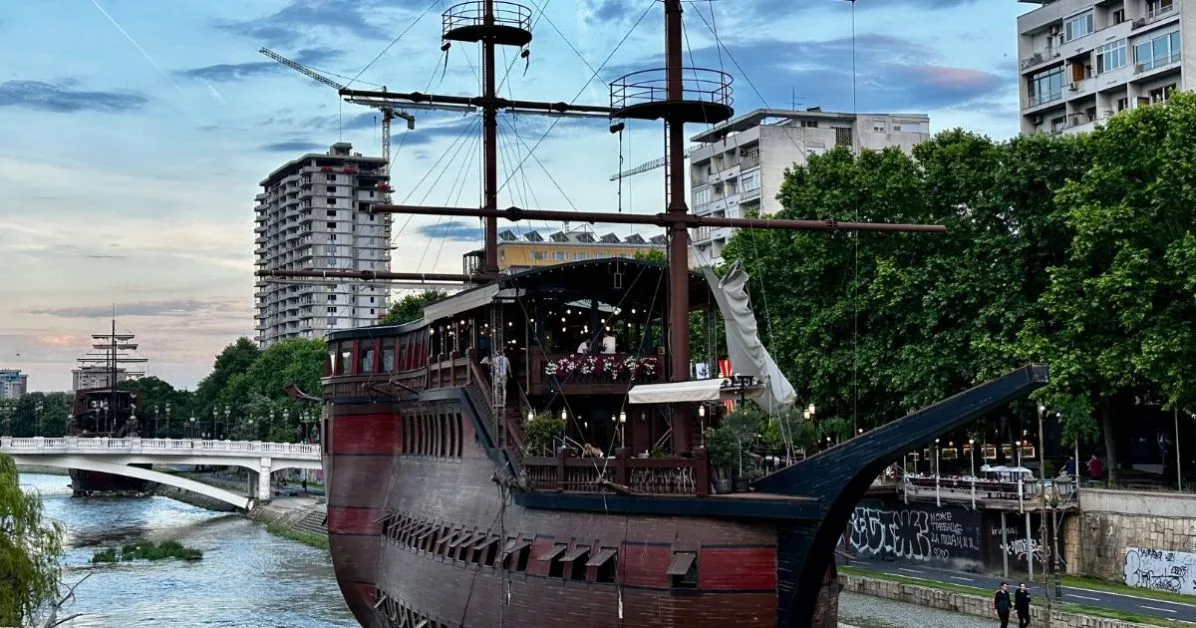
If you are travelling to Skopje with kids, this park is a great destination. As well as room for running around, there are play areas, and a dinosaur ‘Dino’ park right next to Skopje Zoo. If you’re heading to a sporting event, this is likely the venue as the park is home of the main Sports Center.
The large market in old Skopje is incredible value. Kilos of organic nuts are $4! Just picked, organic strawberries and cherries sell for only a couple of dollars for a kilo. In comparison to other European cities, it’s very cheap to shop for fresh food here.
🎒TPOP Tip: If you are negotiating for a taxi, they often quote in Euros. Also ask for the fare in Denars as it is usually cheaper.
Where to Enjoy Local Food and Drinks in Skopje
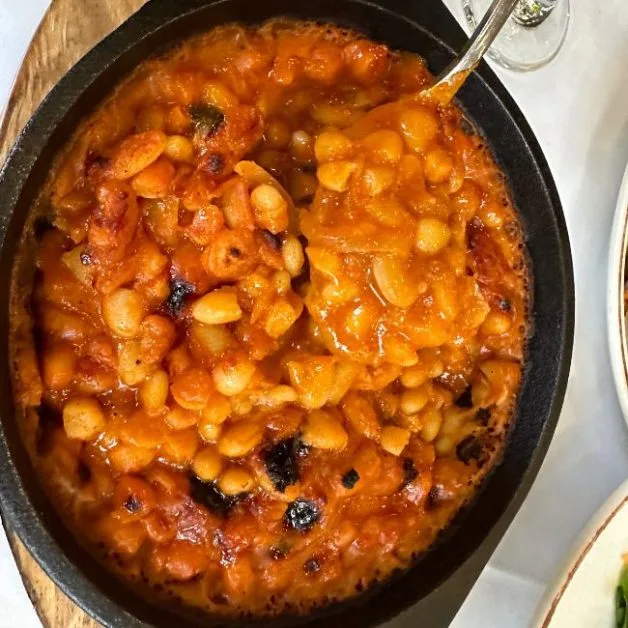
We ate really well in Skopje and throughout the country! Macedonian cuisine tends to be oriented toward meat and potatoes with lots of mixed grills on offer. Vegetarians needn’t worry as there are plenty of options. Don’t miss their ‘baked beans’ – called tavce gravce – most definitely worth trying.
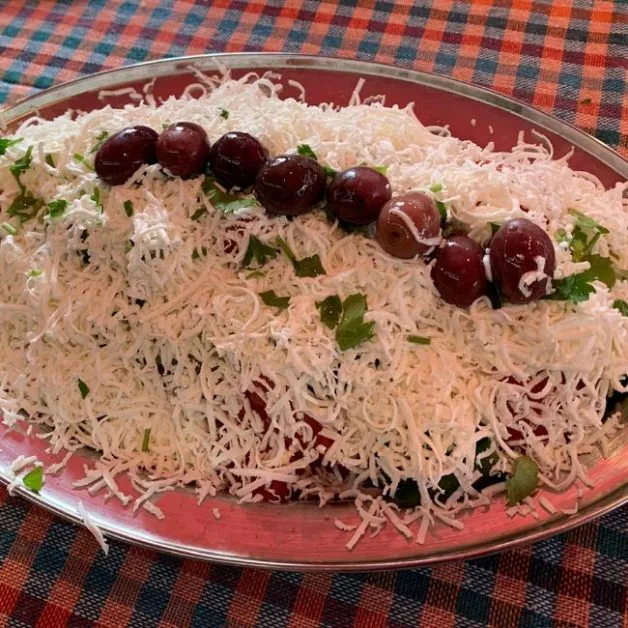
Seasonal salads are popular especially shopska salad, a tasty mix of tomatoes, cucumbers, onions, peppers topped by a sprinkling of white ‘sirenje’ cheese.
Macedonian breads are also delicious – fresh, warm and salty. A popular snack and breakfast item is burek, baked pastry filled with cheese (and sometimes leeks or spinach) we have found on offer across the Balkans.
Macedonian wines are internationally renowned and one of the country’s prime exports. We enjoyed Tikves brand available at most local restaurants. Macedonian beer is also refreshing on a warm afternoon: try a cold Skopsko.
The national spirit, rakia, is a fiery brandy ritually consumed with a variety of appetizers (meze). It’s not that different from what we tasted in Sofia or indeed what you will buy in Turkey or Greece.
Restaurants We Recommend in Skopje
Some of our favourite places to eat and drink were in and around Carisja (the Old Ottoman Bazaar area. We tried a few coffee shops and loved the ambience and energy fromOud Coffee which is tiny.
Don’t let that put you off! They serve excellent coffee either to sip outdoors on a sunny street patio area in or to takeaway. Open 9am (10am at weekends). It’s not hard to miss as this and many others on ‘Coffee Street’.
Both these central spots are excellent for a late lunch, dinner or just have a snack or refreshment at any time. The owners and staff were genuinely interested in us as tourists and keen for us to try their delicious home cuisine. When we popped back for a second visit glass of wine, we really did feel like family, especially when a complimentary beer was served at Brendas!
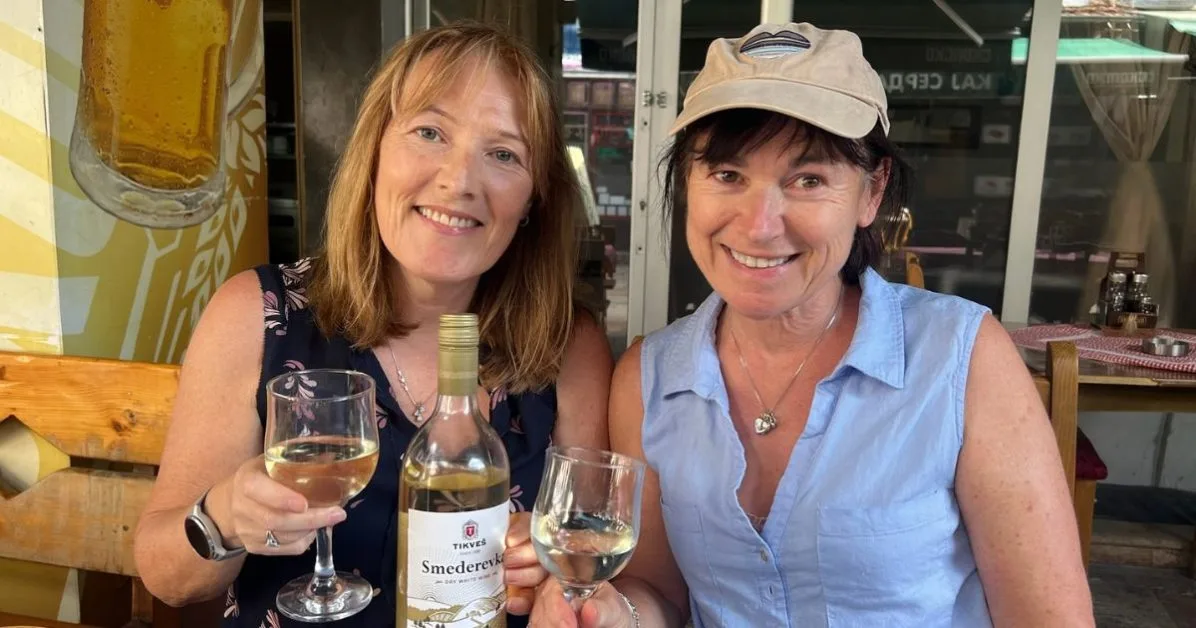
Check out Skopje’s Bohemian District for Dinner
It’s worth exploring and eating in Debar Maalo which is referred to locally as the Bohemian part of Skopje. About a 20 minute walk from the city centre, this area is full of cool cafes and restaurants of all types. Here we had an excellent meal at Skopski Merak Restaurant – currently ranked #2 in Skopje.
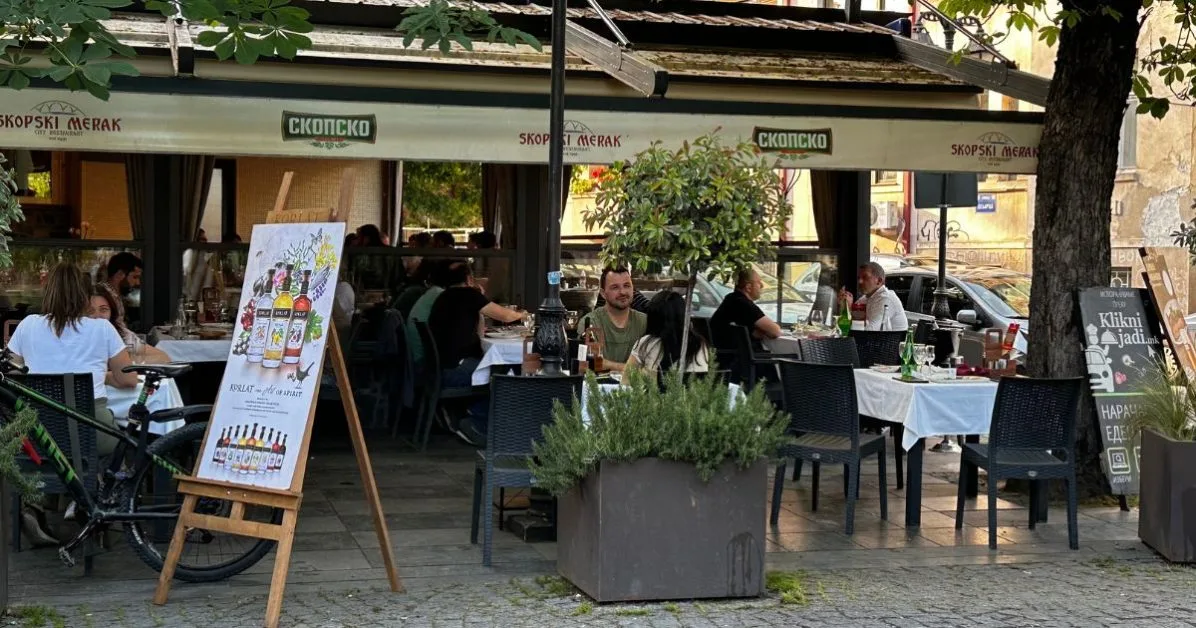
If you don’t want to walk as far, check out the ever popular main square just over the stone bridge from the old bazaar. Here you will find the grand looking Pelister restaurant, another of the current Top 10 in the city.
Looking for rooftop bars in Skopje? For a sunset cocktail with superb views over the fortress, bazaar district and beyond, head up to the 7th floor of Hotel Arka. It’s also pretty stunning to soak in the views early morning over a coffee!
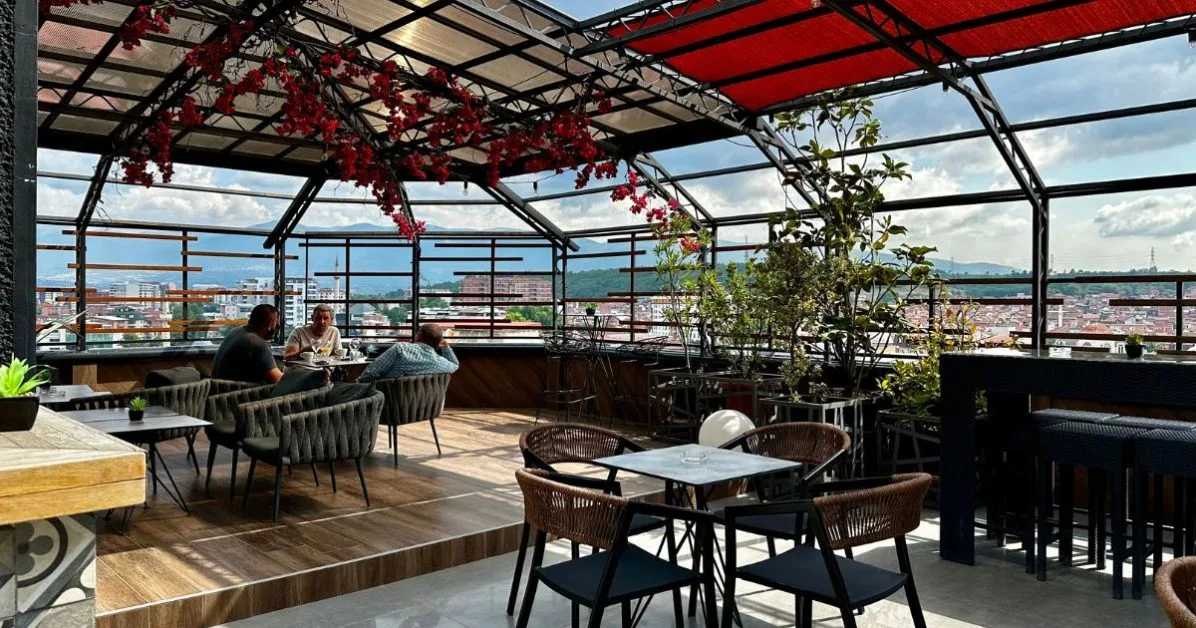
Where to Stay In Skopje
We suggest you spend around 3 days in Skopje so it makes sense to base yourself centrally for a short visit. There are several hotels within the old town so choose the one that best suits your budget and preferences.
Our accommodation was the Premium Hotel in the old city just minutes from the pedestrian streets of the bazaar. Location wise, it was perfect and price wise, very reasonable. We booked it via Booking.com with free cancellation.
Overall it was clean and comfortable and had a great breakfast room at the top of the hotel with views over the city. We found the staff to be less engaging than previous places we’ve stayed, but this didn’t spoil our stay.
🎒Our Tip: f you are a light sleeper, bring some earplugs as the early morning ‘call to prayer’ is pretty loud across the old part of the city.
Prices are low. So, this is a perfect place load up on fresh nuts, dried fruits and spices to take home. Stock up on healthy snacks with seasonal fruits too!
Where Is Skopje?
North Macedonia is a land-locked nation bordering Serbia and Kosovo to the north, Albania to the west,Greece to the south and Bulgaria to the east.
Sizewise, it’s about two thirds the size of Switzerland or slightly larger than the US state of Vermont. Situated in the mountainous part of the Balkans, it has two airports, Skopje in the North and Ohrid in the South.
With a population of around 2 million people, there has been a dispute for many years with its neighbour Greece over its name. After declaring independence from Yugoslavia in 1991, the country chose the name Macedonia.
But that title severely strained relations with neighbour Greece, which also has a region called Macedonia. It was only in 2019 that the country changed its name to the Republic of North Macedonia.
How To Get To Skopje, North Macedonia
If you are travelling from the UK, currently you can only fly to Skopje, direct from London Luton airport with Wizz Air. The flight takes 3 hours 30 minutes. There are however many connections via other European cities with 17 airlines flying into Skopje airport from 46 other cities. Check which is nearest to you using this site which lists Flights into Skopje Airport .
On our visit, we actually flew into Sofia (Bulgaria) and then travelled overland to Skopje. It’s good to know there are lots of options if you’re already in Europe. In fact one of our taxi drivers talked about how he was going to Greece one day, into Albania another day and Kosovo the following week. In reality, these drivers are very much used to going on cross border trips with visitors.
Connections Into The City From The Airport
Skopje city centre is 23km (about a 20 minute ride) from the airport. If you choose to take a taxi for this journey, there is a set price which is €25 one way or Denar (MKD)1500. There is a taxi rank outside the airport or you could pre-arrange a transfer with your hotel. Alternatively, you can take the bus which is about a 35 minute journey.
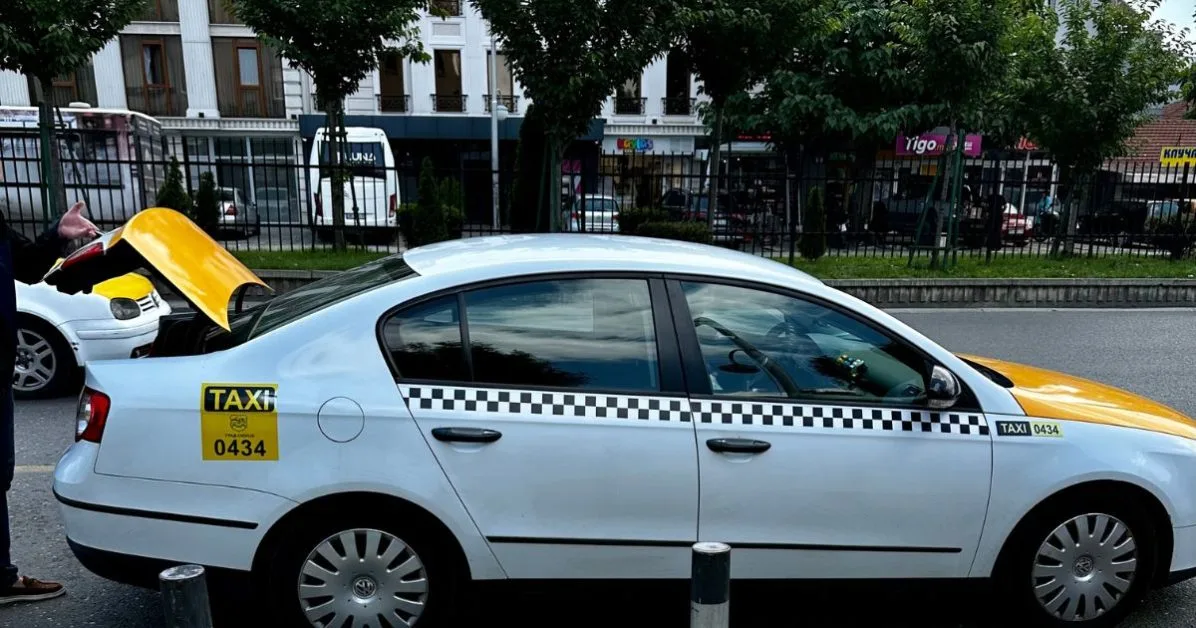
The bus makes key stops along the way so check the timetable but the schedule is prepared according to the arrivals/departures of flights so should work for you. A one way ticket costs MKD 199 which is less that £3/$3.5. As we said earlier, we found it always better value to pay in DENAR (MKD). Check the Skopje Bus timetables to see what suits you but bear in mind these are not always 100% accurate!
Travel Within and From Skopje
Our free walking guide explained to us that North Macedonia’s train service is very old and not reliable. Within the city, the bus network is good. Buy a Shopska card if you intend to make several bus journeys. Check this useful Skopje Transport Site for more information on tickets, routes and timetables.
FAQs
The best time to visit Skopje is May/June and September or October when it’s pleasant weather for walking around. With its proximity to the mountains and canyons, Skopje is also popular with hikers during these months too.
Skopje is a very affordable city. A central 4 star hotel in the old city costs around $70/night (double room), including breakfast.
Budget around $7 for main courses and $4 for large dinner salads. A good quality local wine is ~ $10 a bottle. Coffees cost around $2.
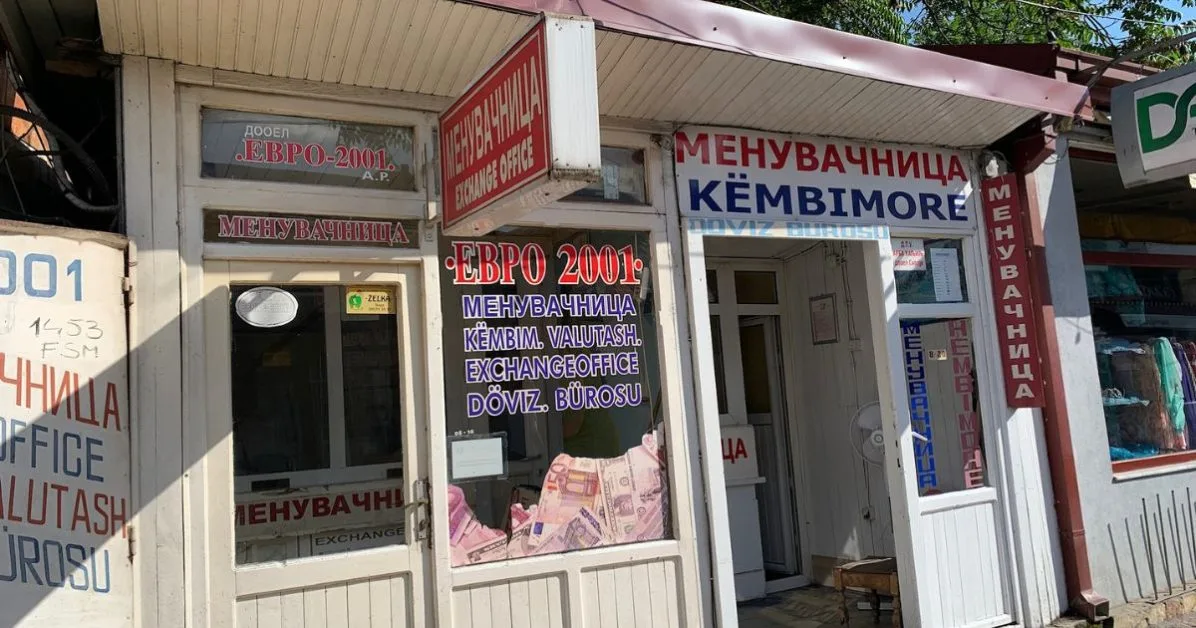
The North Macedonian Denar (MKD) is the national currency. On arrival at the airport, exchange a little currency or use one of the ATM machines. Exchange booths (within shops) are dotted around the city providing consistent exchange rates.
Shops and restaurants may display prices in euros but paying in Denar by card or cash is always better value. Smaller shops, markets and some taxis will only accept local cash.
Brief History of Skopje – Useful Before You Go!
So, what’s the history of this fascinating destination? Well, Skopje is actually one of the oldest cities in Europe. Back in the 3rd century was actually known as Scupi. It had strong ties with the Roman Empire with visits from Julius Caesar during his campaign against Pompey.
It’s been ruled by many different nations over its long history including Byzantium, Bulgaria, Serbia and Ottoman Turkey. In fact, the Ottomans ruled for over 500 years. During this time, Austrian invaders burnt the city to the ground and it had to be rebuilt.
Later at the end of World War 1 in 1918, the city became part of newly created country of Yugoslavia. During World War II, the Germans and later the Bulgarians occupied the city.
It was after this war that Skopje became the capital as part of a republic of Yugoslavia. Its geographical position means that it lies on an active seismic plate. In 1963, disaster struck when an earthquake left many homeless and much of the city in ruins.
Fortunately, much of the old Turkish side of the town was okay. Ruins of the old Skopje train station destroyed in the earthquake remain. They are a memorial to the victims along you can find the adjacent museum. If fact this station clock still shows the exact time the earthquake hit.
North Macedonia remained under the rule of Yugoslavia until 1991 when it became an independent country with Skopje its capital.
How To See More Of North Macedonia
Combine Skopje with a longer trip in North Macedonia including Lake Ohrid and Bitola, near the border with Greece.
If you love this type of experience, also consider visiting Sarajevo with its amazing bazaar. Read our post on how to plan a trip to Sarajevo and Mostar for more Balkan bazaars.