Less Stress,
More Exploring.

First hand tips from our years of travels to make future trip planning a breeze

What Kind of Travel Help Do You Need?

Pick a topic below and we'll take you straight to the tips that matter most for your trip.

Flights & Airport Transfers

Tips to find good airfares, best long-haul seats, surviving jet lag, easy arrival logistics and destination transport.

6 tips

Insurance, Health & Safety

Staying safe and healthy whilst travelling is what we all want. Here's what we've learned.

9 tips

Smart Packing

How to drop 25% of luggage weight before your next trip and save money doing so.

8 tips

Stays & Experiences

Why accommodation type and location matters and how to choose best tours & experiences to fit you and your travel crew.

7 TIPS

Money & Budgeting

Great Travel doesn't have to be as expensive as you might imagine - if you plan well and are realistic.

7 tips

Travelling Together

Our favourite trips for multi-generational travels; balancing different needs, expectations and likely tensions that can arise on any vacation.

6 tips 

Smart Packing

How to drop 25% of luggage weight before your next trip and save money doing so.

Did You Know?

Most experienced travelers use only 30% of what they pack. The golden rule: lay everything out, then put half of it back.

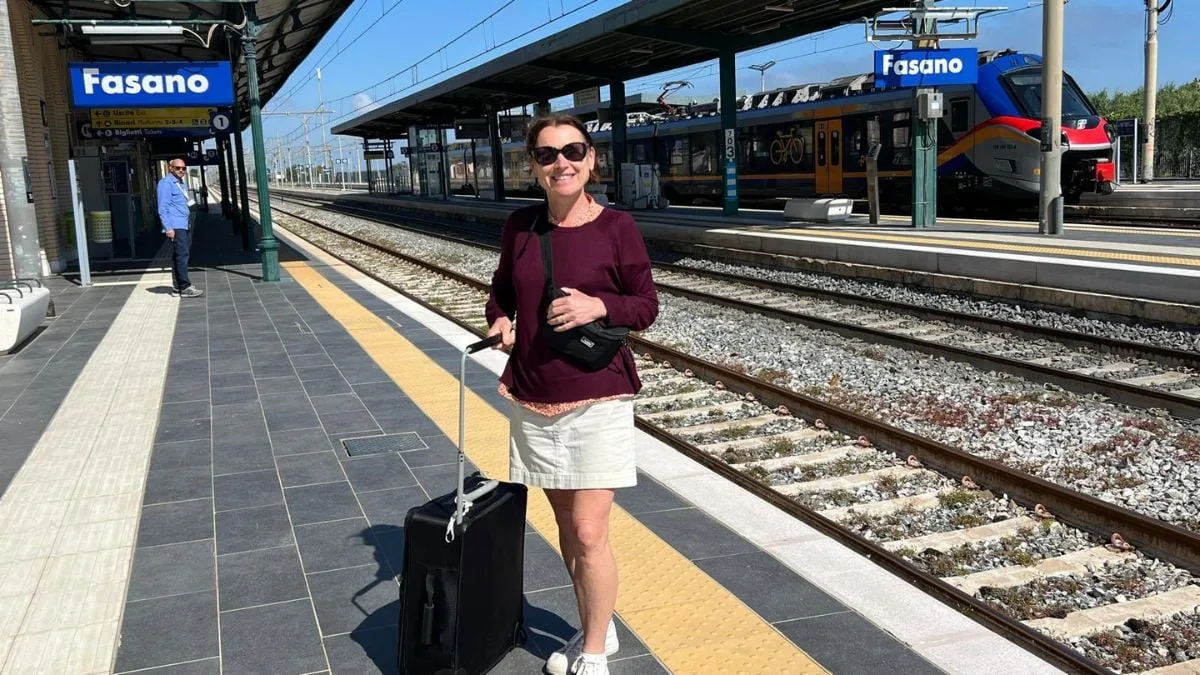
Checking bags is the single biggest source of travel stress we've encountered — lost luggage, carousel waits, overweight fees. After years of checked bags, we converted to carry-on only for most trips and haven't looked back.

  • A 40L carry-on fits 10–14 days comfortably with the right packing cubes
  • Merino wool clothing is the secret weapon — it packs small, wears for days, and doesn't smell
  • Wear your heaviest items on travel days (boots, jacket, jeans)
  • Check airline size rules before you fly — budget carriers can be strict
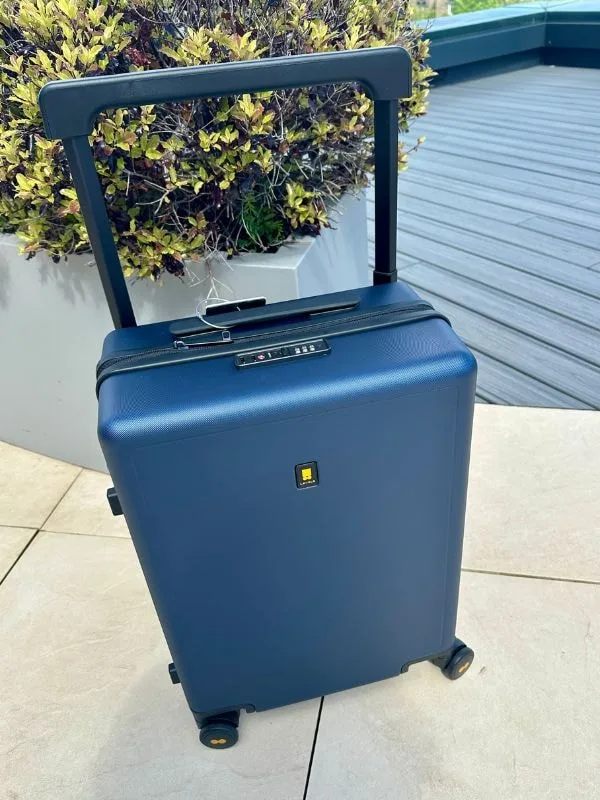
Our favourite carry-on: Level 8 Voyageur Suitcase - stylish and fits most overhead bins worldwide.

Packing cubes transformed our travel. They keep everything organised, compress clothing significantly, and mean you never have to unpack fully — just pull the cube out and put it in the drawer.

  • Use one cube per category: tops, bottoms, underwear/socks, accessories
  • Compression cubes halve the volume of bulky items like fleeces and jeans
  • Roll clothing inside cubes rather than folding — it reduces creasing and saves space
  • Bright colours help you spot the right cube fast in a dark bag
Eagle Creek packing cubes are the gold standard — they've lasted us 10+ years and dozens of trips.

Beyond the obvious, there are a handful of items that consistently save us on every trip. These aren't sponsored recommendations — they're just things we've learned to rely on.

  • A small, lightweight first aid kit with your own supplies (plasters, pain relief, antihistamine, Imodium)
  • Noise-cancelling headphones — essential for long-haul flights and noisy hotels
  • A portable door lock (Addalock) for hotel room security
  • A universal travel adapter with USB-C ports
  • A lightweight silk sleep sack for guesthouses and overnight trains
  • A small dry bag for beach days, boat trips, and rain

Shoes are the number one packing mistake we see. Most people bring far too many pairs and wear only two. Our rule: three pairs maximum, and they must all serve multiple purposes.

  • Walking shoes that look decent enough for a restaurant (Allbirds, Skechers Go Walk)
  • Sandals that work for beach, casual dinner, and walking (Birkenstock or Teva)
  • One pair of smart shoes or light hiking boots if the trip demands it
  • Wear the heaviest pair on travel days
For safari trips, proper closed-toe shoes are essential. Sandals are not appropriate in most game reserves.

Toiletries are heavy, often leak, and are available almost everywhere in the world. We've radically reduced what we carry and haven't missed anything.

  • Buy shampoo, conditioner, and body wash at your destination
  • Use solid toiletries (shampoo bars, conditioner bars, solid sunscreen) — no liquids restrictions
  • Pre-decant essentials into 30ml bottles if you insist on specific brands
  • Pack your own prescription medications with a letter from your doctor
  • Sunscreen is often expensive and hard to find in the right SPF abroad — bring your own

Technology has transformed travel — but it's also created a whole new category of things to pack and worry about. Keep it simple.

  • A 20,000mAh power bank keeps phones and tablets charged for days
  • Download offline maps (Maps.me or Google Maps offline) before you arrive
  • Get a local SIM or international data plan — roaming charges are avoidable
  • A small laptop or tablet is worth bringing for longer trips (2+ weeks)
  • Always back up photos to cloud storage daily — cameras and phones get lost

Many of our trips span multiple climates — beach to highland, hot city to cold mountain. The layering system is the only way to manage this without checking a bag.

  • Base layer: lightweight merino t-shirts and long-sleeve shirts (wear multiple times)
  • Mid layer: a packable fleece or down jacket that compresses to nothing
  • Outer layer: a waterproof shell jacket that doubles as a windbreaker
  • Convertible trousers (zip-off legs) are genuinely useful on adventure trips
Icebreaker and Smartwool make the best merino travel clothing we've found. Expensive upfront, but they last for years.

A document folder — both physical and digital — has saved us more times than we can count. Set it up before every trip without exception.
  • Physical folder: passport copies, insurance documents, hotel confirmations, emergency contacts
  • Digital: save everything to a shared cloud folder you can access offline
  • Email yourself all key documents so they're searchable anywhere
  • Keep a note of your credit card emergency numbers — separate from the card
  • Photograph your passport, driving licence, and insurance card and save to phone

Insurance, Health & Safety

Staying safe and healthy whilst travelling is what we all hope for. From our travels across the globe, here's what we pay attention to before every trip.

Important

See your GP or a travel health clinic at least 6–8 weeks before any international trip. Some vaccinations require multiple doses over time.

A travel health clinic appointment is non-negotiable for us before any international trip, especially to Africa, Asia, or South America. Your GP may not be up to date on destination-specific requirements.

  • Book 6–8 weeks before departure — some vaccines need time to take effect
  • Bring a list of your current medications — some interact with antimalarials
  • Ask specifically about: typhoid, hepatitis A & B, rabies (for wildlife trips), yellow fever
  • Get a copy of your vaccination record — some countries require proof of yellow fever vaccination to enter
In the UK, Travel Health Pro (travelhealthpro.org.uk) is the gold standard for country-specific health advice.

Travelling with prescription medications requires more planning than most people realise. We've been caught out once — never again.

  • Carry a letter from your doctor listing all medications, dosages, and the medical reason for each
  • Keep medications in their original labelled packaging
  • Carry at least double the supply you need — delays happen
  • Research whether your medications are legal in your destination country (some common drugs are controlled in certain countries)
  • Split your medication supply between carry-on and checked bag (if checking)

Food safety advice can be overly cautious to the point of missing out on some of the best travel experiences. Here's our practical approach after decades of eating our way around the world.

  • Tap water safety varies enormously — always research your specific destination
  • Street food from busy stalls with high turnover is often safer than quiet restaurants
  • Watch what locals eat — if the queue is long and locals are eating it, it's usually fine
  • Avoid ice in drinks in countries with unsafe tap water
  • Always carry oral rehydration salts — they're the best treatment for traveller's diarrhoea

Altitude sickness affects people regardless of age or fitness. We've seen very fit young travellers struck down while older, less fit travellers sailed through. The key is acclimatisation.

  • Symptoms begin above 2,500m — headache, fatigue, nausea, dizziness
  • Ascend slowly — the golden rule is no more than 500m per day above 3,000m
  • Drink plenty of water and avoid alcohol for the first 48 hours at altitude
  • Diamox (acetazolamide) can help — discuss with your doctor before your trip
  • If symptoms worsen, descend immediately — altitude sickness can become life-threatening

Heat exhaustion is one of the most common medical issues affecting mid-life travellers. It's almost entirely preventable with the right habits.

  • Drink water constantly — aim for 3–4 litres per day in hot climates
  • Avoid sightseeing between 11am and 3pm in very hot destinations
  • Wear SPF 50+ sunscreen and reapply every 90 minutes
  • A wide-brimmed hat and UV-protective clothing are better than sunscreen alone
  • Know the signs of heat exhaustion: heavy sweating, weakness, nausea, headache

We've travelled to some of the world's most "dangerous" countries and had zero security incidents. Awareness, preparation, and common sense go a very long way.

  • Research your destination's specific risks — general crime stats are often misleading
  • Register with your government's travel advisory service before departure
  • Use a money belt for passports and cash in busy tourist areas
  • Don't flash expensive cameras, jewellery, or phones unnecessarily
  • Trust your instincts — if a situation feels wrong, leave
  • Share your itinerary with someone at home

Jet lag is real and it hits harder as we get older. We've tried everything over the years — here's what genuinely helps.
  • Switch to destination time zone mentally as soon as you board
  • Stay hydrated and avoid alcohol on the flight
  • Get outside in natural daylight as soon as you arrive — it resets your body clock
  • Low-dose melatonin (0.5–1mg) taken at local bedtime helps many people
  • Don't nap on arrival — push through to local bedtime if at all possible
Eastward flights (e.g. UK to Asia) cause worse jet lag than westward flights (e.g. UK to Americas). Plan your first day accordingly.

Travel Together

Best trips for multi-generational travels and balancing different needs, expectations and tensions that can arise on any vacation.

The Key Insight

The biggest mistake in travelling with others is trying to please everyone simultaneously. The secret is rotating who gets priority — everyone gets their moment. Whether as a couple, with siblings, friends or multi-generational families, here's what we've learned:

Research indicates most multi-generational trips fail because of pace and activity choices. We've found the best solution is to build the itinerary around a core, joint set of activities (maybe one a day) that suits everyone. Beyond this, all travellers feel they have space to add optional extras if they want to do more.

  • Build in at least a morning rest time and easy day after a long haul flight
  • Consider one full rest (free) day for every 3-4 days of activities
  • We like to plan morning activities and leave afternoons open — siestas work if you're in a hot place as fatigue peaks in the afternoon
  • Plan for leisurely ie. longer meal times — these become natural rest points and social highlights
"Less is more" is the mantra for group and multi-gen travel. A relaxed trip with fewer activities is almost always better than an exhausting one.

For groups of 6 or more, renting a private villa or house almost always works better than a hotel wherever in the world you are (ok - maybe not on Safari) — it's often cheaper per person.

  • Shared living space creates natural gathering points — important for family time
  • A kitchen means flexible mealtimes — not everyone has to be ready at the same time
  • Private pools mean young travellers can paddle and older ones swim without Dealing with crowded hotel pools
  • You can order in whatever everyone wants with no cooking - or splurge and get a chef to cook for you in the home - it's more frequently appearing as an option in VRBO!
  • Everyone gets their own space to retreat to — essential for multi-day trips

Accessibility is often an afterthought — and it shouldn't be. A day hike works beautifully for a 40-year-old with young teens, but can be genuinely difficult for a 75-year-old with a bad knee or little kids under 5 who need a day time nap.

  • Research cobblestones, steps, and uneven terrain — many historic European cities are very difficult if anyone has limited mobility.
  • Ask hotels directly about lift access, step-free entrances, and bathroom grab rails
  • Book private transfers rather than public transport for older travellers
  • Many safari camps have excellent accessibility — ask specifically when booking
  • Travel insurance must cover all pre-existing conditions for all family members

Altitude may also a factor to consider - Be Aware of Any Restrictions if you're considering ski resorts or destinations in places like Cuzco in Andes, many of which are well above 10,000 ft

One of the best things we've done on multi-gen trips is give each other explicit permission to do our own thing for part of the day. It removes guilt and pressure — and makes the times we're together more enjoyable.

  • Build "free choice" half-days into the itinerary from the start
  • Grandparents can Hang out by the pool with grandkids
  • Parents can head off on a day tour or cooking classes together
  • Teenagers can have their own adventure within agreed boundaries
  • Agree on a fixed meeting point and time — no need for constant Messaging.

Not all destinations are equally suited to multi-generational groups. These are our top picks — and a few honest warnings.

  • Works brilliantly: Scotland, Kenya safari, St Lucia, Sri Lanka, Portugal
  • Works with planning: Japan, Vietnam, Morocco, Italy
  • More challenging: Destinations with extreme heat, very rough terrain, or very limited medical facilities
  • Safari is often the best multi-gen trip of all — the shared experience of wildlife is genuinely universal
Scotland is our top recommendation for first-time multi-gen trips. Excellent infrastructure, no language barrier, incredible scenery, and something for every age.

Money is the number one source of tension in multi-generational group travel. Having the conversation openly before the trip saves enormous stress during it.

  • Agree on the budget level before booking anything
  • Use a shared expense app (Splitwise is excellent) to track group costs
  • Decide upfront who pays for what — do grandparents cover accommodation? Do parents cover activities?
  • Build a shared "group kitty" for incidental costs — it removes the awkwardness of splitting every bill
  • Be honest if budget is a constraint — a less expensive destination enjoyed together beats a luxury trip with resentment

Flights & Airport Transfers

Tips to find good airfares, best long-haul seats, surviving jet lag, easy arrival logistics and destination transport.

Timing Tip

The cheapest days to fly are typically Tuesday, Wednesday, and Saturday. The most expensive are Friday and Sunday. Midday and early morning flights are also cheaper than peak departure times.

Flight pricing is complex and constantly changing, but there are reliable strategies to consistently find better fares. If you can be flexible when you travel eg. off peak seasons, you can often find cheaper flights and accommodation.

  • Use Google Flights for initial research - we always start with its price calendar.
  • Set fare alerts for your route - don't miss out!
  • Search for nearby airports - a secondary airport eg. St Petersburg vs Tampa in Florida.
  • Sites like Expedia are great for 'package' deals, bundling flights, transfers and hotel.
  • Book directly on airline website for a major trip with connections- easier if things go wrong.
  • For long-haul business class, check airline websites directly for sales - they often don't appear on comparison sites

We feel long-haul flights in economy are genuinely tough as we get older and if we can we'll upgrade. We're short so for anyone 6' tall, we can only imagine your pain! Top comfort tips:

  • Drink water to keep hydrated — aim for a glass every hour.
  • Stretch your legs every 90 minutes & wear compression socks that reduce swelling.
  • Invest in Noise-cancelling headphones so you can shut out noise.
  • Avoid alcohol — it dehydrates you and makes jet lag worse.
  • Bring some treats — great if your in-flight meal isn't too exciting.
  • Bring an inflatable neck pillow and eye mask — we don't do long flights without them.

Airlines charging extra to choose a seat is now the norm — annoying, but for anything longer than a short hop, we think good seat selection is genuinely worth paying for. Here's our personal guide to what's worth it and what to avoid.

  • Bulkhead seats (front of cabin) — extra legroom is a real bonus, but bear in mind there's no under-seat storage during take-off and landing, so everything goes in the overhead locker.
  • Window seats — our pick for sleeping. You control the blind, you have something solid to lean against, and nobody climbs over you at 2am.
  • Aisle seats — better if you like to get up frequently or just want that little bit of extra leg stretch into the aisle.
  • Avoid seats near toilets and galleys — they're noisy, high-traffic, and the smell from the galley can be unpleasant on a long flight. Not worth the saving.
Not sure about the layout of your specific aircraft? We use SeatMap.com to check seat maps before we choose — it shows exactly which seats are near toilets, have reduced recline, or are missing a window.

A long layover doesn't have to be wasted airport time. Many cities offer visa-free transit programmes specifically designed for stopover visitors.

  • Singapore, Dubai, Abu Dhabi, Doha, and Istanbul all have excellent transit programmes
  • 6+ hour layover? Leave the airport — most major hubs are 30–60 minutes from the city
  • Airport lounges are worth it for long layovers — many offer showers, meals, and quiet spaces
  • Priority Pass membership gives access to 1,300+ lounges worldwide
  • Allow at least 2.5 hours for international connections — longer in large airports

Airline luggage rules vary enormously and the fees for getting it wrong are painful. Know the rules for every leg of your journey before you pack.

  • Check luggage allowances for each airline on each leg — they can differ on code-share flights
  • Weigh your bags at home — airport scales are accurate and the fees are steep
  • Always keep medications, valuables, and one change of clothes in carry-on
  • Take a photo of your checked bag before handing it over — useful for lost luggage claims
  • If your bag is lost, report it immediately at the airport and get a reference number

Airport transfers are often the most stressful part of a trip — especially on arrival in an unfamiliar country. Pre-arranging transfers eliminates almost all of that stress.

  • Book airport transfers in advance for all arrivals — especially late at night
  • Your hotel can usually arrange reliable transfers — often worth the small premium
  • Research whether Uber or local ride-hailing apps work at your destination
  • Keep enough local cash for a taxi on arrival in case cards don't work
  • Allow far more time than you think for the journey to the airport — traffic is unpredictable

Flight delays and cancellations happen. Knowing your rights in advance means you don't get fobbed off at the gate.

  • EU261 and UK261 regulations give significant compensation rights for delays and cancellations on EU/UK flights
  • You're entitled to meals, refreshments, and accommodation for significant delays
  • Keep all receipts for expenses incurred during a delay — you can claim these back
  • If your flight is cancelled, you can choose a full refund or alternative routing
  • Travel insurance should cover additional costs if the airline doesn't

💰 Money & Budgeting

Travel doesn't have to be as expensive as people think — but it also costs more than you budget for. Here's how to manage it well.

THE GOLDEN RULE

If you budget say $1000 for a trip, add 20% to this. Unplanned costs like extra taxis or a local tour that you discover on arrival are going to happen — it's actually the norm. Having a 20% buffer avoids any stress when you're having a great time!

Paying with a standard credit or debit card abroad can cost 3–5% extra on every transaction. Over a three-week trip, that adds up to a significant sum. The solution is simple: get a dedicated travel card.

  • UK travellers: Chase, Starling, Monzo, and Halifax Clarity are all excellent fee-free options
  • US travellers: Charles Schwab debit card reimburses all ATM fees worldwide
  • Always pay in local currency when given the choice — dynamic currency conversion is a scam
  • Carry two cards from different networks (Visa and Mastercard) in case one doesn't work
We always carry a small amount of local cash for markets, taxis, and small purchases — cards aren't accepted everywhere.

A major factor in answering this for yourself is going to be your destination - we found cash a necessity in the town of Bitola, North Macedonia, and yet nothing but cards are accepted in Stockholm, Sweden!

  • Scandinavia, Western Europe, Australia, New Zealand: almost entirely card-based, with tap and go most common.
  • USA and Canada are pretty much totally card only but debit cards for some reason are less popular.
  • Africa, South Asia, Southeast Asia: we found on Sri Lanka, Uganda, India trips for example that people prefer cash although hotels and restaurants often take credit cards.
  • Always use ATMs attached to bank branches rather than standalone machines
  • Withdraw larger amounts less frequently to minimise ATM fees
  • ATMs at airports are usually reliable but never exchange currency at airports — the rates are always terrible
  • If you do use cash, Asian countries are very particular with regards to what they accept. Many want brand new notes only. They don't like crumpled or used notes and in some places won't take them.

Tipping norms vary wildly around the world so check what's appropriate before your trip so you can bring or plan to get cash on arrival.

  • USA and Canada: A 20% tip in restaurants is expected, not optional — and service charges are often added in automatically. Don't feel pressured by pre-set tip levels — it's perfectly fine to tip as YOU feel appropriate.
  • UK/Europe: You will usually see a service charge in restaurants, but if not round up the sum or add a little extra for top service if you feel it's worth it.
  • Japan: Tipping is considered rude — don't do it except when staying in a Ryokan (traditional guesthouses) — and even then pop it into an envelope and leave it vs. giving it directly to an employee.
  • Africa: Popular destinations in Egypt, Morocco and South Africa may either add a small service charge or you can leave a tip of 10–15%. Safari guides and camp staff: suggested USD $10–20/day per person is standard.
  • Southeast Asia: Small tips appreciated but not expected in restaurants.

Most travel budgets underestimate costs because they only count the obvious things. Here's what people consistently forget.

  • Airport transfers at both ends of every flight - public transport is usually cheap but a taxi ride can add quite a bit - if you need a taxi, book it ahead using Uber (if available) or via your hotel. You then know what you're going to pay.
  • Visa fees and on arrival visa taxes (many destinations charge these - for example arrival visas in Cambodia are $30) and you need to pay in cash.
  • Travel insurance (budget at least £100–200 per person for a 2-week international trip) - you can usually get a cheaper deal - we use Visitors Coverage
  • Tipping (especially significant on safari — factor in USD $200+ per person per week)
  • Luggage fees for international and domestic flights - if not travelling carry-on only
  • Shopping and souvenirs — always more than planned - we've bought a suitcase on more than one occasion to bring an unexpected rug or even shoes home!
  • At least one "splurge" meal or special experience per destination

Our best trips have not necessarily been the most expensive ones — they're the ones our money is spent in the right places. Here's our personal splurge/save formula.

  • Splurge on: Accommodation (a great hotel transforms the trip), key experiences (gorilla permits, private guides), long-haul flights (business class if the trip is 3+ weeks)
  • Treat yourself to a special souvenir — our parents bought a rug on a trip to Morocco, got it shipped to Scotland! It lasted 30 years+ and kept memories of a family trip alive for a long time.
  • A private guide for a day at a complex historical site like Giza in Egypt is almost always worth the cost. Most tour operators like Viator and Get Your Guide offer private options of popular tours.
  • Save on: Short internal flights (economy is fine), shopping (buy local rather than tourist-trap factory manufactured souvenirs), drinks (try local beers and wine vs imported ones).
  • Food costs by avoiding touristy restaurants — you will often find better quality and lower costs just a few streets away. Ask locals where they like to eat in town!

It's easy to lose track of spending on holiday — especially when dealing with unfamiliar currencies. A simple system prevents the shock of the credit card bill when you get home.

  • Set a daily spending budget before you travel and check against it every couple of days.
  • Download an App like Xe Currency Converter to quickly check the cost of an item before committing to buying it.
  • Book tours either before you leave home or on-line so you can use your own currency and don't have to worry about keeping track of foreign spend.
  • Monzo and Starling show real-time spending in your home currency — invaluable!
  • For group trips, use Splitwise or Tri Account to track shared expenses
  • Keep a note of ATM cash withdrawals — it's easy to forget how much you've spent when using cash

We got ripped off badly once in Istanbul by agreeing to order wine and local seafood that were 'specials', assuming that the costs would be similar to those on the physical menu. How wrong we were! Here's what we've learned:

  • Upselling is everywhere these days - even in restaurants. If something sounds great, and you are relaxed, it might seem okay, but always ask what the price is, and never feel awkward doing this.
  • If you ask the waiter or server what would they recommend, be mindful it might be one of the restaurant's more expensive bottles of wine or dishes - just be aware.
  • Taxis are notorious for charging over the top prices for short journeys knowing most of us visitors don't know either it's 5 minutes or 25 to our destination. Use Uber or Bolt Apps if possible so you know the price.
  • Make sure the taxi meter is set as you get in, and it is not running or set above zero.
  • When visiting markets, bazaars in many destinations, there is no marked price - the culture may well be to bargain. This can feel awkward but embrace the opportunity to engage, staying respectful. Pay a fair amount for something hand-made and bargain harder for a factory manufactured mug! There's usually plenty of competition so take your time.

Stays & Experiences

Sites we trust to find places to stay, tours and lifetime experiences to fit you and your travel crew.

Location, Location, Location! Where you Stay is A Key Planning Decision

Choose Location for Ease, Not Just Excitement

  • Prioritize central but quiet neighborhoods with easy walking access to attractions, dining, and public transport like metro (subways), trams and trains.
  • Avoid staying in an area with steep hills, long walks, or difficult terrain unless you love hiking of course
  • Consider safety at night, 24-hour concierge or reception service, even room service hours
Always check the hotel's own website after finding it on a comparison site — direct booking rates are often the same or better, with added perks.
  • Check if local taxes, daily resort fees, car parking costs are included.
  • Confirm essential amenities: elevators, air conditioning, Wi-Fi, breakfast, and bathrooms (shower, bath, both), pet facilities, EV charging facilities.
  • For tours: confirm what's included— pick-up and drop off transportation and locations, meals while on a tour, entry tickets, guided tour or self guided — to avoid surprises.
  • Choose accommodations with larger rooms, a seating area ideally, and amenities to make coffee, put snacks in a fridge.
  • If renting a house, check size and seating in shared spaces, and privacy e.g. Are any bedrooms in a mezzanine area without doors or the sofa in the sitting area.
  • Having an outdoor balcony or space to relax is high on our list for warmer destinations.
  • For tours, smaller groups or private options often enhance enjoyment, even at a higher cost and you have so much more flexibility to see the things you want to.
  • Sites like Booking, VRBO and Expedia offer multiple options with free cancellation windows — 90% of our trips are booked with this option, and it pays off.
  • Choose tours with flexible timing or rescheduling options — many have a free 48 hour cancellation policy.
  • Avoid overpacked itineraries; leave room for rest, relaxation and doing your daily Wordle!
  • Focus on recent reviews from similar travelers (families, older couples, multi-generational groups).
  • Check for consistent praise regarding comfort, cleanliness, and service.
  • Responsive hosts and operators provide peace of mind if issues arise.
  • Build in rest breaks and downtime for older adults and young children.
  • Choose tours with seating, manageable pacing, and flexibility.
  • Allow participants to opt in or out without disrupting the group.
  • Booking platforms (Viator, GetYourGuide) are convenient, secure, and good for first-time visits but some experiences can feel standardized — we filter for scores of 4.5/5+.
  • Local guides or companies offer authentic, personalized experiences but require careful vetting to make sure for example the tour is in a language you are comfortable with.
  • Free tours (tip only) are great for introductory walks in new places, but they can be large in number, use audio systems, and take you to areas that you could easily explore on your own. Choose carefully and check max numbers to make sure this fits your expectations.
  • Private tours make sense for multi-generational groups, if you value a more flexible pace (like a coffee stop en route), or as part of a complex itinerary when your time is limited.
  • A Mix can work best: use trusted sites for high-demand tours, hire local guides for specialty experiences, and private guides for key days where transport and logistics are best managed by an expert.

Insurance, Health & Safety

Staying safe and healthy whilst travelling is what we all hope for. From our travels across the globe, here's what we pay attention to before every trip.

Important

A medical evacuation from a remote destination can cost £50,000–£200,000. Travel insurance isn't optional for mid-life travellers — it's essential. About 20% of travellers skip travel insurance, and while most get away with it, roughly 1 in 5 of those end up facing costly problems without cover.

Buy insurance when you book your trip, not a few days before you travel. This way, if you have to cancel your trip months before your departure date, you are covered.

  • If you can, choose an annual policy especially, if like us, you travel overseas several times in a year. It works out much cheaper than trip by trip.
  • Read the small print to make sure it covers your trip activities like skiing or hot air ballooning, even trekking?
  • Check details relating to pre-existing medical conditions - you will pay more but if you don't declare them, any claim will be invalid.
  • It is the norm for rates to be higher after age 70 so expect to pay a premium.
  • Check the core coverage including medical cover limit, accepted cancellation reasons, medical evacuation home, any excess charges on claims. We always include a medical level of at least $5million.
  • How long are you travelling for? Many policies including annual ones have a limit of 30 days per trip.
  • Before you leave home, add your policy number and phone contact number for claims into your phone. Take a printed copy of your policy with you or know where to access it online just in case you do need it.
Visitors Coverage Insurance – Visitors have been around for ages and we have used them personally for trips to Africa and Asia. Their site is well structured to see what cover you are getting in each offer

It doesn't take long to check recommended vaccinations for a vacation but it is something that is easy to overlook. Places change; countries differ so just because you have been there once, it may have changed since that back-packing trip decades ago!

  • Consult your own Doctor for advice - our go to for check requirements is Travel Health Pro website.
  • If you need any new vaccines we say get them 6-8 weeks before departure to make sure they take effect, and you may need two doses for some.
  • Also double check if any of your previous vaccinations need a booster. Don't assume that if you have had a vaccine previously, you are still protected.
  • Some destinations have requirements but only if you are visiting remote rural areas or a specific known geographical risk.
  • Carry your vaccination record with you and upload a copy to your phone. Some countries will demand to see printed certificates e.g. Yellow Fever on entry.

Travelling with prescription medications requires more careful planning than most of us realise. We've been caught out once when our hold luggage went missing in Bangkok — never again.

  • Pack all prescription medicines in your cabin baggage.
  • Make sure medications will cover you for the duration of your trip. We always order extra for extended holidays or in case of any delays.
  • Keep medications in original labelled packaging — useful if questioned during security checks or if a doctor does have to be called.
  • Some drugs are controlled in certain countries so check if there are any restrictions by using government advice on your chosen country.
  • Take a basic medical kit with you containing bug (DEET) spray, insect bite, plasters/bandaids, etc. based on your destination and planned activities.

Losing valuable vacation days through illness is awful. We remember one of our sisters ate a burger in Morocco from a street stall and ended up on a hospital drip. Here's our approach after years of eating and drinking our way around the world!

  • Tap water standards vary hugely across the world so research your specific destination carefully.
  • Hotels usually supply water for cleaning your teeth and drinking if tap water is not safe. If in doubt, buy bottled water.
  • Avoid iced drinks in countries where water is not safe to drink.
  • Watch what locals eat; ask your guide or hotel for recommendations. You don't want to miss out on some incredible dining experiences. Street food from busy stalls where you see it being freshly cooked can be safer than a quiet restaurant.
  • If it is unsafe to drink the tap water, avoid salads, unpeeled fruits, and raw produce, as they may have been washed in contaminated tap water. Choose fruits you can peel yourself — bananas, oranges, and avocados.
  • Pack rehydration salts — they are the best treatment for travellers' diarrhoea.
  • Bring your own water bottle and fill it up from a reliable source each day.
  • Wash Hands: Use hand sanitizer (at least 60% alcohol) frequently, particularly before eating.
  • We usually avoid buffet food — if it looks like it has been sitting out for a long time, choose somewhere else.
  • If you have specific food allergies, ensure you share these when ordering — and translate into the local language on your phone to avoid misunderstandings.

Altitude sickness affects people regardless of age or fitness. We've seen very fit young travellers struck down while older, less fit travellers sailed through. The key is acclimatisation. If we are travelling to high altitude places, then we take medication in preparation for this.

  • Recognise the symptoms which tend to begin above 2,500m — headache, fatigue, nausea, dizziness
  • Ascend slowly — the golden rule is no more than 500m per day above 3,000m
  • Drink plenty of water and avoid alcohol for the first 48 hours at altitude
  • Diamox (acetazolamide) can help and is what we use — discuss with your doctor before your trip. Again, don't leave it to the last minute to get this.
  • Consider buying a small portable oxygen supply — it helped a Scottish friend who struggled with Colorado's high altitudes when visiting us

Heat exhaustion and dehydration is one of the most common medical issues affecting mid-life travellers. It is something that we have suffered from in the past simply by not taking the time to check in on ourselves.

  • Drink water constantly — aim for 3–4 litres (around 5–7 pints) per day in hot climates. We like to carry our own insulated water bottles to keep the water cold.
  • Limit sightseeing where there is no shade between 11am and 3pm and you are in very hot destinations — if locals have a siesta, like we saw in Panama, it's a sign that you might benefit from this too.
  • Know the signs of heat exhaustion: heavy sweating, weakness, nausea, headache. If you are feeling any of these, it's time to rest and get into the shade.
  • Wear SPF 50+ sunscreen and reapply regularly.
  • A wide-brimmed hat and UV-protective clothing are better than sunscreen alone.
  • Humidity can also be a problem even if it is not sunny so check weather forecasts and rest if needed.

Having access to travel forums and chat rooms is great but discussions can be misleading. We've travelled solo to places, perhaps classed by some as 'dangerous', and had zero security incidents but the unexpected can happen so here's what we suggest.

  • Before you go, read your government's web page for information about safety in the country or city you are visiting.
  • Trust your instincts — if a situation feels wrong, leave the area.
  • Use a money belt or cross body bags for passports and cash in busy tourist areas and only take with you what you need.
  • For added protection use a bag or wallet with RFID protection — we use these especially in markets and when shopping.
  • Pop an 'Apple Tag' to your bag so you can track it if you need to.
  • Keep valuables in hotel safes or a secure location rather than take them with you.
  • Don't flash expensive cameras, jewellery, or phones around unnecessarily. We all like a selfie but think about your location.
  • Share your itinerary with someone at home before you leave.
  • Add Find my Phone with others and allow sharing of your location.
  • Avoid quiet unlit streets at night away from main tourist areas.
  • If someone offers something which sounds 'too good to be true', then it most likely is a scam.
  • We do our own research on our destination's specific risks — general crime stats are often misleading but data does exist. numbeo.com/crime/rankings.jsp
  • Download Google Maps to help guide you if you get lost — we do & it's great!

Jet lag is real and it hits harder as we get older. Eastward flights (e.g. UK to Asia) cause worse jet lag than westward flights (e.g. UK to Americas). We've tried everything over the years — here's what genuinely helps us.

  • Switch to the destination time zone mentally as soon as you board your flight. This can be hard but honestly, it really does help.
  • Stay hydrated and avoid or limit alcohol intake on the flight.
  • We prebook a specific meal type and find lighter foods help on long overnight flights when you want to sleep.
  • Get outside in natural daylight as soon as you arrive — it resets your body clock.
  • Try not to nap on arrival — we push through to local bedtime if possible.
  • Taking a low-dose melatonin (0.5–1mg) before bedtime for a few nights after arrival helps us too.

We don't receive any commission from these recommendations — they're simply the insurers we've used personally or know from experience to be reliable for mid-life travellers.

  • AllClear Travel Insurance — specialists in pre-existing conditions, excellent for complex medical histories
  • Staysure — well-regarded for older travellers with medical conditions
  • Battleface — excellent for adventure travel and unusual destinations
  • World Nomads — solid all-round option for adventure-focused trips
  • Always compare on MoneySupermarket or Compare the Market first, then check specialist insurers
This is not a sponsored list. Always do your own research and compare policies before buying.

Essential Travel Reads

Our most popular guides to help you travel smarter, lighter, and with more confidence.
Get Our Printable Packing Lists & Itineraries

Sign up for the newsletter and download printable PDF itineraries, our Hand Luggage Pro Packing List, and get destination updates and new tips twice monthly — all free.

Get Everything Free →